
Ever wondered why restaurant fried food stays crunchy for hours? But your own turns soggy in minutes? The secret is in the science of professional coatings. A top-notch commercial tempura batter mix creates a barrier that keeps moisture in and grease out.
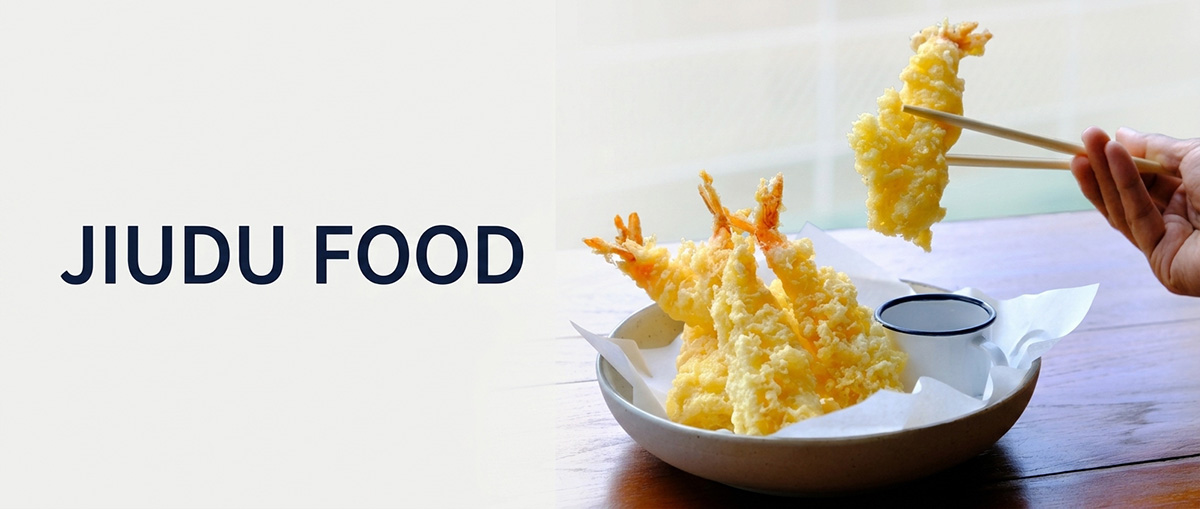
This special tempura batter mix uses certain starches and leavening agents. It prevents heavy oil from soaking into food and ruining its texture. Chefs use it to keep seafood and veggies light and crunchy, even after they're fried.
This article dives into key strategies for perfect results. We'll cover how to prepare, fry, and hold food properly. Learning these steps will help you make fried dishes that are always top-notch.
Understanding tempura batter mix is key to mastering low-oil frying. It creates a barrier that lets moisture out but keeps oil out. This way, chefs can make food that's not greasy but delicious.
Top-notch low-oil-absorption tempura flour has the right mix of wheat flour and starches. Wheat flour gives it structure, while starches like corn or potato prevent it from becoming too thick. This mix makes the coating thin and light.
"The secret to a perfect fry is the ability of the batter to act as a thermal shield, protecting the delicate interior while crisping the exterior."
Too much protein in flour makes the crust chewy or tough. Commercial mixes use low-protein wheat to avoid this. This keeps the batter soft and light, not heavy and oily.
When the batter hits hot oil, leavening agents make bubbles that expand fast. These bubbles create a light, airy crust that keeps oil out. A well-aerated Tempura Batter Mix makes the surface crisp and keeps it crunchy longer.
Adding too much water to your mix is a common mistake. If the batter is too thin, it doesn't set right in the oil. This lets oil soak into the food, making it greasy and heavy.
| Component | Function | Impact on Oil |
| Wheat Flour | Provides structure | Moderate absorption |
| Corn Starch | Crispness | Lowers absorption |
| Leavening Agents | Porosity | Prevents oil soaking |
| Water | Hydration | High if excessive |
Using high-quality, low-oil-absorption tempura flour helps keep your mix consistent. By controlling how much water you add and understanding each ingredient's role, you can make top-notch food every time.
Getting the perfect crunch in fried dishes starts with the dry ingredients. A top-notch commercial tempura batter mix balances structure and lightness. It also keeps oil out.
The base of a good Tempura Batter Mix is low-protein wheat flour. This choice limits gluten, avoiding a tough coating. The result is a delicate, thin crust during frying.
Starches like cornstarch or potato starch create a hydrophobic barrier. They gelatinize fast in hot oil, sealing the surface. This keeps the food light and non-greasy.
Leavening agents are vital for tempura's airy structure. They release carbon dioxide when the batter hits oil, creating bubbles. This aerated structure makes the crust light and crispy.
The size of flour and starch particles affects batter adhesion. Smaller particles lead to a more even coating. This ensures the batter sticks well to ingredients, preventing uneven frying.
| Ingredient | Primary Function | Impact on Texture |
| Low-Protein Flour | Structural Base | Prevents toughness |
| Cornstarch | Surface Sealing | Reduces oil intake |
| Leavening Agents | Gas Production | Creates airy crunch |
| Fine-Milled Starch | Adhesion | Ensures even coverage |
Professional chefs know the secret to light, airy tempura. It's all about how you handle the batter before frying. Choosing a premium Tempura Batter Mix is just the start. How you prepare the coating makes all the difference.
Small process changes can prevent common problems. You can prevent issues like sogginess or greasy crusts.
Ice-cold water is key when making your batter. Cold water stops proteins from hydrating too fast. This keeps the coating delicate and not chewy.
Using low-oil-absorption tempura flour helps. Cold water keeps the starch granules suspended. This prevents a tough, elastic network from forming.
Over-mixing hurts a light, crispy texture. Mix ingredients just until big lumps disappear. Aim for a slightly textured batter.
Excessive agitation makes gluten active. This creates a bread-like shell that soaks up oil and loses crunch fast.
Keeping the oil temperature steady is key for Tempura Batter Mix success. If the oil gets too cold, the batter soaks up too much fat. If it's too hot, the outside burns before the inside cooks properly.
In busy kitchens, fryer temperature drops when you add cold food. Good low-oil-absorption tempura flour needs a stable environment. Effective recovery time helps the oil return to the right temperature quickly. This prevents the food from soaking up oil during frying.
Making crispiness last longer takes more than a good Tempura Batter Mix. The first fry is key, but how you handle the food after it comes out of the oil matters. Treat the post-fry stage as part of the cooking process, not just a wait.
A top-notch commercial tempura batter mix helps steam leave quickly during the last seconds of frying. This quick steam release makes the coating hard and glass-like, keeping it from getting soggy. This quick release makes the crust drier and more durable, so it doesn't fall apart.
Batter thickness is key to keeping food crunchy. If it's too thin, it can't withstand the food's moisture. But a perfectly balanced thickness acts as a shield, slowing moisture from reaching the surface.
Too much oil on fried foods hurts crispiness. Oil in the batter's nooks and crannies can make the crust soft and greasy. Using a wire rack to drain excess oil helps keep the coating light and airy.
Handling steam is a big challenge for takeout. When you seal hot food in a container, steam can make the crust soggy. Vented packaging or moisture-wicking liners help keep the Tempura Batter Mix crisp by letting steam escape before it can damage the texture.
Getting high-quality tempura right in a commercial setting needs precision. Using a Tempura Batter Mix well can make all the difference. It's all about following kitchen rules closely.
Too much surface water hurts a crispy coating. Dry your ingredients well before frying. Use paper towels or a clean cloth to remove excess moisture. This helps the low-oil-absorption tempura flour stick better.
Getting the batter thickness right is key for even frying. Too thick, and it's doughy. Too thin, and it doesn't protect well. Aim for a thin, even layer to enhance flavors.
"The secret to a perfect fry is not just the recipe, but the discipline of the cook to maintain the integrity of the batter throughout the entire service."
Frying too much at once is a common mistake. It lowers the oil temperature, making the Tempura Batter Mix absorb more oil. Fry in small batches to keep the oil hot and seal food quickly.
For the best results with low oil absorption tempura flour, follow these habits:
By following these steps, your team can serve top-quality tempura every time. These practices help low-oil-absorption tempura flour perform well, no matter the order size.
Getting a great fried product needs a smart plan for ingredients and kitchen work. Choosing the right Tempura Batter Mix is key for quality and happy customers.
Top-notch commercial tempura batter mix has the right mix of starches and proteins. It makes your fried foods light and airy. It also keeps them crispy even after they're done frying.
Low oil-absorption tempura flour helps kitchens work more efficiently. It reduces waste and makes fried foods healthier. But it doesn't lose any taste or texture.
Check if your frying methods match your batter's abilities. Small tweaks in temperature and prep can make a big difference in how food looks on the plate.
Try out different batter mixes to see what works best for your menu. The right choice can turn simple fried foods into must-haves that people love coming back for.


Hello, I am the online customer service


