
“People who love to eat are always the best people.” — Julia Child
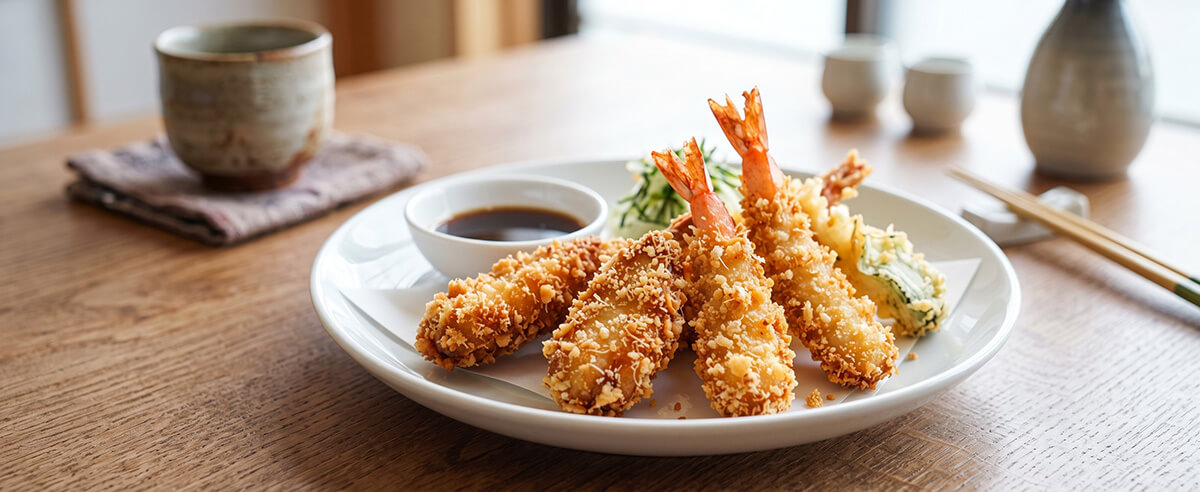
That love of food often starts with texture. Made from shokupan, or soft Japanese white bread, panko forms coarse flakes that create a lighter, airier coating than fine bread crumbs. The result is a crisp finish without a heavy crust.
You will see why this staple works in tonkatsu and ebi fry, then learn how to use it in American recipes. Try it on baked fish, casseroles, meatloaf, or roasted vegetables. Its open structure can also absorb less oil during frying.
This guide covers fresh and dried options, shopping tips, seasoning, storage, and cooking methods. Dry breadcrumbs contain less than 14% moisture. You can also make a fresh batch at home with sliced bread, a food processor, and a 285°F oven.
Panko means bread crumbs in Japanese, but its structure sets it apart. It comes from shokupan, a soft white sandwich bread. Large flakes create a light texture instead of a dense crust.
Western breadcrumbs often come from crackers or dried bread. Manufacturers grind them into fine, hard pieces. That coating feels heavier than the airy crumbs used for tonkatsu, fried foods, and pork cutlets.
For comparison, regular panko coatings offer a more open surface. This design helps heat move through the crust and supports an even golden finish.
Fresh panko contains more moisture and can puff as steam escapes during frying. However, it may absorb more oil and calories in a deep fryer. Dry breadcrumbs contain less than 14% moisture and create a firmer coating.
Both types provide dietary fiber, potassium, iron, zinc, vitamin B1, and folic acid. Choose the type that matches your cooking method and desired crunch.
The right loaf shapes the texture of your coating. Choose soft, fresh bread with a flexible center and even slices. This choice helps you create large flakes instead of dense crumbs.
White bread works well because its tender center pulls apart with little effort. Remove the crust first. The outer edge is denser, while the soft inside forms lighter, irregular pieces.
Choose thicker slices if you plan to grate the loaf by hand. They are easier to hold safely and give you better control. Avoid very dry bread, since low moisture can create fine crumbs instead of airy flakes.
Japanese milk bread, also called shokupan, has a plush, elastic texture. It shreds rather than crumbles, making it ideal for homemade panko. If shokupan is unavailable, select fluffy white bread with a soft, springy crumb.
Common ingredients include wheat flour, yeast, oil, sugar, and salt. These elements give the loaf enough structure for food preparation while keeping the center tender.
| Bread choice | Texture | Best use |
| Shokupan | Soft and elastic | Large flakes |
| White sandwich loaf | Light and tender | Everyday coatings |
| Crustless slices | Airy and even | Hand grating |
You can turn a soft loaf into crisp flakes with a few simple steps. For homemade panko, measure 200 grams of Japanese sandwich bread, or two slices about 3 centimeters thick. Trim the crust, then cut the center into 1-inch (2.5-centimeter) cubes.
Keep the cubes loose and avoid pressing them together. Their airy shape creates larger bread crumbs and a lighter coating.
Add the cubes to a food processor. Pulse for 1–2 seconds at a time, about 10–12 times. Stop when coarse flakes form. For a processor-free method, freeze the bread first. Then grate it with the large holes of a box grater.
Use fresh panko within a few days. To reduce moisture, spread the crumbs on a baking sheet. Dry them for 20–30 minutes at 285°F (140°C). Cool fully, then store the dehydrated panko in an airtight container in the refrigerator for up to one month.
Smart shopping helps you control flavor, texture, and shelf life. Start by checking the package, then choose the best style for your cooking needs.
Look for panko breadcrumbs in the international, Asian, or regular breadcrumb aisle. One cup weighs about 60 grams, or 2 ounces. Choose a short ingredient list with wheat flour, yeast, oil, sugar, and salt. Avoid products with added preservatives when possible.
Plain panko gives you the most control. You can season it for recipes such as tonkatsu, Chicken Katsu, casseroles, or baked fish. Keep the flavor mild when other dishes already contain strong spices.
Seasoned types save time for one recipe, but herbs, spices, and salt can change the final taste. Store opened packages in an airtight container. Keep them in a cool, dark, dry pantry, or place them in the refrigerator or freezer for longer storage.
| Choice | Best benefit | Storage tip |
| Plain | Flexible seasoning | Seal tightly |
| Seasoned | Quick flavor | Check freshness |
| Homemade | Full ingredient control | Freeze for longer life |
Once you have a crisp coating, you can use it far beyond one classic dish. These flakes suit quick weeknight meals, baked recipes, and hearty comfort food. They also add a pleasant texture without making each bite feel heavy.
Use panko for pork tonkatsu, Chicken Katsu, fried shrimp, and Korokke. Its large surface area browns well and absorbs less oil than fine crumbs. For a lighter option, use the same breading on chicken nuggets or Oven-Baked Chicken Parmesan.
Japanese cooking also uses it in Doria and Hambagu. You can replace regular crumbs in crab cakes, meatballs, or other recipes. The coarse pieces create a thick crust that stays crisp after cooking.
Sprinkle seasoned panko over Stovetop Macaroni and Cheese, Green Tomato Gratin, baked fish, roasted vegetables, pasta, and casseroles. It adds color and a crisp finish to soft foods like these.
Mix a small amount into ground meat for Meatloaf, Meatballs, or Japanese Hamburg Steak. The crumbs hold moisture, improve tenderness, and keep the ground mixture from becoming dense. This simple recipe works well for everyday food.
Small changes during preparation can shape the final crust. Coarse flakes create a thicker coating, while over-processing makes a fine, dense layer similar to standard breadcrumbs. Use short pulses and check the size often.
For homemade flakes, use a food processor for about 10–12 pulses. This keeps the texture open without pressing the bread together. Fresh moisture turns to steam during frying, so the coating puffs and feels light. That method works well for fried foods, fish, chicken, and vegetables.
Dry the crumbs at 285°F (140°C) for 20–30 minutes when you need longer storage. Cool them fully before sealing. Fresh bread coating works best within a few days. Dried breadcrumbs last longer, while an opened store-bought package belongs in the refrigerator and should be used by its expiration date.
| Type | Best use | Storage guidance |
| Fresh | Light fried coating | Use within a few days |
| Dried | Baked dishes and longer storage | Seal in a cool, dry place |
| Store-bought | Fast everyday cooking | Refrigerate after opening |
Japanese panko breadcrumbs give your meals a light, flaky crust. Their larger flakes create more air and a cleaner crunch than fine crumbs. You can make them at home with 200 grams of soft bread, a processor, and 10–12 short pulses. Dry the crumbs at 285°F (140°C) for 20–30 minutes before storage.
Use these panko breadcrumbs for pork tonkatsu, chicken, shrimp, baked vegetables, casseroles, and ground-meat recipes. They also work well in many everyday cooking ideas. For gluten-free needs, choose gluten-free sandwich bread. Plant-based bread can support a vegan recipe, but check the ingredients. Most Japanese sandwich bread contains milk, so a standard batch remains vegetarian, not vegan.
Keep a sealed container in your kitchen, and enjoy crisp results in simple home recipes.


Hello, I am the online customer service


