
Have you ever wondered why some fried foods have that irresistible crunch? The secret often lies in a special type of breadcrumb known as panko. This Japanese-style breadcrumb has gained immense popularity in the culinary world, especially among food industry buyers in the United States.
Panko is made from crustless white bread, processed into larger, airy flakes. This unique texture not only enhances the crunch but also makes it a versatile ingredient in a variety of dishes. With two main types available—dry and fresh—each offers distinct advantages for different culinary applications.
In this guide, you will explore the origins, production methods, and practical uses of panko. Understanding this ingredient more deeply will empower you to make informed decisions about your kitchen operations and menu development. From fast-casual eateries to fine dining, panko is revolutionizing how we think about breading.
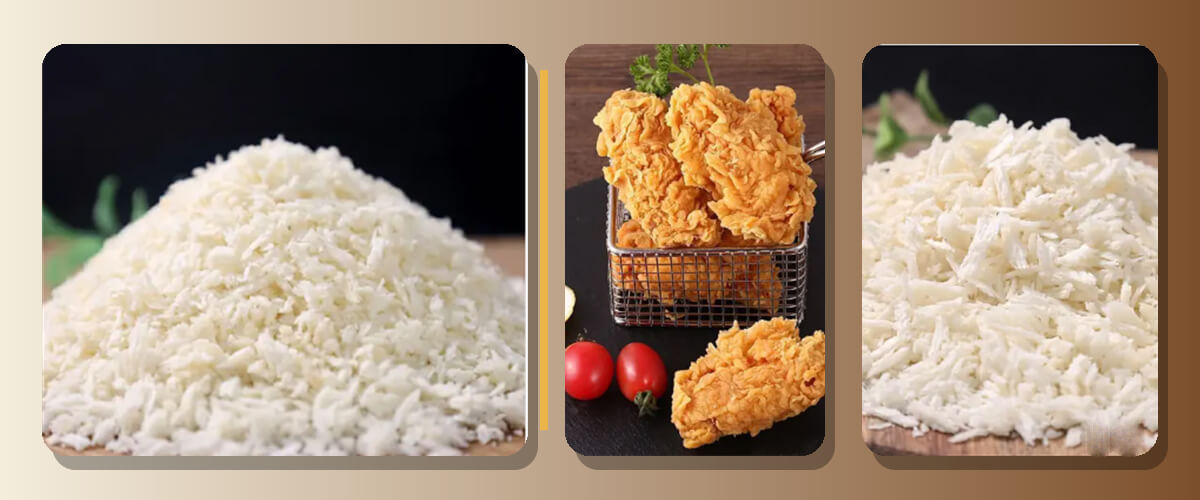
Curious about the history behind the crispy texture of your favorite fried dishes? Panko, a Japanese-style breadcrumb, is a key ingredient that boosts the crunch factor in many dishes. The term literally translates to "bread crumbs" in Japanese, with "pan" meaning "bread" and "ko" meaning "flour".
Panko is primarily made from shokupan, a type of Japanese milk bread. This bread has a soft, elastic texture that allows it to shred into larger, airy flakes rather than crumble into fine particles. Without the crust, which is denser than the white center, it creates a lighter, more effective coating for fried foods.
In Japanese cuisine, panko has been used for centuries. It creates the signature light and shatteringly crisp coatings on iconic dishes like tonkatsu, chicken katsu, ebi fry, and korokke. This cultural heritage contributes to its unique appeal in modern cooking.
Authentic panko is crafted exclusively from crustless white bread, ensuring that it contains only the softest parts of the loaf. This composition differentiates it from traditional breadcrumbs, which often include the crust and are typically ground into a powder-like texture. Panko's ingredients include wheat-derived protein and carbohydrates, providing a nutritional profile that includes dietary fiber, potassium, iron, zinc, vitamin B1, and folic acid.
Panko's popularity in the food industry comes from its ability to create a thicker, crispier coating that stays crunchy even under heat lamps. This characteristic is crucial for restaurants and food service operations that need consistent texture during delivery. Additionally, Japanese breadcrumbs like panko absorb less oil during frying, resulting in less greasy dishes that appeal to health-conscious consumers.
Moreover, panko's versatility lets you use it in various applications, from breading and coating to serving as a topping or filler. This multi-purpose nature makes it a cost-effective ingredient for chefs and food service providers alike.
| Feature | Panko | Regular Breadcrumbs |
| Texture | Larger, airy flakes | Fine, powdery consistency |
| Oil Absorption | Less oil absorption | Higher oil absorption |
| Crunchiness | Thicker, crispier coating | Less crispy |
| Cultural Use | Traditional Japanese dishes | Western-style dishes |
In conclusion, panko's cultural heritage and modern applications make it an indispensable ingredient in American kitchens. Its unique properties not only enhance dish texture but also align with contemporary dining preferences.
The secret behind achieving a satisfying crunch in fried foods lies in the choice of breading. Panko stands out because it consists of large, coarse flakes instead of fine, dense crumbs. This unique texture creates significantly more surface area for crisping and browning.
The irregular shards of bread, in panko form, create an airy coating that allows steam to escape during cooking. This results in foods that are crispy on the outside while remaining moist and tender on the inside. Such a combination is essential for creating the perfect fried dish.
Regular breadcrumbs are typically made from bread baked until nearly moisture-free, then ground into a powder. This process yields a thin, crunchy, but dense coating. In contrast, panko is made by shredding fresh sandwich bread into larger flakes, which helps retain moisture and provides a lighter, crispier texture.
To create panko, fresh shokupan or white sandwich bread is shredded rather than ground. This is often done using specialized equipment or a food processor, pulsing 10-12 times for 1-2 seconds each. The result is the signature coarse texture that makes panko unique.
When fried, the moisture in the fresh bread evaporates upon contact with hot oil. This causes the flakes to puff up slightly before crisping, creating an ethereally light and airy crust. This process sets panko apart from regular breadcrumbs.
Panko not only enhances the texture of your dishes but also offers nutritional benefits. It contains vitamin B1 for carbohydrate metabolism, folic acid for cell production and repair, and essential minerals like potassium, iron, and zinc.
Using panko gives food industry buyers a competitive advantage. Its lower oil absorption means that finished dishes stay crispier longer, reducing waste and improving customer satisfaction with takeout and delivery orders. The increased surface area of panko flakes allows for better seasoning adhesion, resulting in more golden-brown caramelization during cooking.
Additionally, panko provides a neutral, mild flavor profile that serves as a blank canvas for custom seasoning blends. This versatility allows chefs and food manufacturers to create signature coatings and toppings that stand out in a crowded market.
In summary, the unique combination of texture, production method, and nutritional benefits makes panko an irreplaceable ingredient for food industry professionals seeking consistent, high-quality results.
The differences between panko and regular breadcrumbs can significantly impact your culinary creations. Understanding these distinctions will help you choose the right ingredient for your dishes.
Panko is made from crustless white bread, while regular bread crumbs include the crust. This crust contributes to a denser and heavier crumb. In contrast, panko's lack of a crust results in lighter, airier flakes that are perfect for achieving the desired crunch.
The texture of panko and regular breadcrumbs varies greatly. Panko consists of large, coarse flakes, while regular breadcrumbs are finely ground. This gives panko a greater surface area, allowing for more crunch and a thicker coating. When fried, panko creates a shatteringly crisp texture, whereas regular breadcrumbs yield a thinner, denser crunch.
One of panko's biggest advantages is its ability to absorb oil. Panko absorbs significantly less oil during frying because its large flakes create air pockets. This keeps foods crispier for longer, which is a critical advantage for commercial kitchens and food service operations. Regular breadcrumbs, being finely ground, tend to absorb more oil and can become soggy quickly.
In the kitchen, panko shines in frying, air frying, and as a coating for fried foods like tonkatsu and chicken katsu. It also excels as a topping for baked dishes, creating a golden, crunchy crust without becoming greasy.
On the other hand, regular breadcrumbs are best used as binding agents in meatballs, meatloaf, and veggie burgers. They work well in stuffings and fillers where density and moisture retention are more important than crispiness.
In conclusion, when choosing between panko and regular breadcrumbs, consider your priorities. If crunch and visual appeal matter most, choose panko. If binding and structure are your goals, regular breadcrumbs are the way to go.
| Feature | Panko | Regular Breadcrumbs |
| Ingredient | Crustless white bread | Fully baked bread with crust |
| Texture | Coarse, large flakes | Finely ground, sandy texture |
| Oil Absorption | Less oil absorption | Higher oil absorption |
| Crispiness | Thicker, shatteringly crisp | Thinner, denser crunch |
| Best Uses | Frying, toppings, coatings | Binding, fillers, stuffings |
Creating panko-style breadcrumbs in your kitchen is easier than you might think. With just a few simple ingredients and tools, you can elevate your culinary creations. Here’s how to make panko at home.
The primary ingredient for making panko is crustless white bread. You can use:
These breads shred well, giving you the desired texture for your panko crumbs.
To make your panko, you will need:
Follow these steps:
If your bread isn’t stale enough, preheat the oven to 350-360°F. Bake the bread for about 5 minutes, until hard but not browned. Allow it to cool before processing.
Alternatively, freeze the bread first. Then, use a cheese grater with large holes to grate the frozen bread into coarse flakes. This technique works well when you don't have a food processor.
Remember, larger crumbs create a thicker coating of crispy goodness. The magic of panko happens when it hits hot oil: as moisture evaporates, the flakes puff slightly before crisping.
To add flavor to your panko, consider incorporating seasonings. Use about 1 teaspoon of seasoning per half cup of panko. Some delicious options include:
For maximum flavor, toast the seasoned panko in a dry pan for 2-3 minutes before use. This adds a nutty, aromatic complexity to your dishes.
In conclusion, making panko at home allows you to control quality and customize flavors. It also helps reduce waste by using stale bread, resulting in a fresher product than store-bought alternatives. Best of all, this process takes about 5 minutes of active time!
Proper storage is essential to maintain panko's quality and freshness. Understanding the differences between fresh and dried panko can help you make informed decisions for your kitchen.
Fresh panko contains more moisture and is more susceptible to mold. If not stored properly, use it within a few days. Before opening, you can store fresh panko at room temperature. However, after opening, freezing is the best way to maintain its quality.
Dried panko, on the other hand, should go into an airtight container immediately after opening. This prevents exposure to air and humidity, which can lead to staleness.
For dried panko stored in an airtight container, refrigeration can extend its shelf life up to one month. Always refrigerate store-bought panko once opened and use it by the printed expiration date. This practice helps ensure the best results in your dishes.
To maximize shelf life, consider freezing homemade panko. It can last up to six months when stored in a moisture-proof container or freezer bag with excess air removed. Alternatively, dehydrating panko is another effective method. Spread fresh crumbs on a parchment-lined baking sheet and bake in a low-temperature oven at 285°F (140°C) for 20-30 minutes until completely dried out.
Dehydrating removes moisture, the primary factor in spoilage, transforming fresh panko into a shelf-stable product. Store it in an airtight container in the refrigerator for up to one month.
Finally, always label stored panko with the production or opening date. This practice helps ensure proper inventory rotation and prevents using expired products in food preparation.
In conclusion, proper storage practices not only extend shelf life and reduce food waste but also ensure consistent quality and food safety in commercial food operations.
Incorporating panko into your food preparations opens up a world of flavor and texture. This versatile ingredient can elevate your dishes in numerous ways. Let's explore its culinary applications, popular recipes, and the advantages it brings to food preparation.
Panko is best known as a coating for fried foods. Dishes like tonkatsu, chicken katsu, and fried shrimp benefit from the thick, shatteringly crisp exterior that panko provides. This unique texture keeps your fried foods delicious and visually appealing.
Beyond frying, panko excels as a crunchy topping for casseroles, mac and cheese, and gratins. A sprinkle of toasted panko can transform a simple pasta dish or soup into a restaurant-worthy meal. Its ability to create a delightful crunch makes it a favorite among chefs.
Panko can also be mixed into ground meat preparations. Incorporating it into meatballs, meatloaf, or Japanese hamburg steak helps retain moisture and adds tenderness. This prevents the meat from becoming dense or dry during cooking.
Some popular recipes that showcase panko include:
These dishes highlight panko's versatility, showing that it can be used in a variety of culinary contexts. Whether you're frying, baking, or topping, panko adds that extra crunch and flavor.
The advantages of using panko in food preparation are significant. Its lower oil absorption means that finished dishes stay crispier longer, whether under heat lamps, during delivery, or on buffet lines. This is a crucial benefit for food service operations that prioritize quality.
Panko also enables chefs to create visually stunning presentations. The golden-brown, textured surface signals crunch and quality to customers before they even take a bite. This can enhance the overall dining experience and encourage repeat business.
To maximize flavor, consider seasoning your panko. Mix dried spices directly into the panko before coating, using about 1 teaspoon of seasoning per half cup. Toasting seasoned panko in a dry pan for 2-3 minutes can further enhance its flavor profile.
If you run into supply chain issues, practical substitutes for panko include crushed cornflakes for frying, rolled oats or crushed crackers for casserole toppings, and regular breadcrumbs for binding meatballs. These alternatives help you maintain the desired texture and flavor in your dishes.
Finally, panko also enhances vegetable dishes, potato preparations, salads with crunchy toppings, and cheese-based recipes. Its versatility spans menu categories, from appetizers to entrées to sides, making it an essential ingredient in any kitchen.
In conclusion, panko is not just a breadcrumb; it is a strategic ingredient that improves texture, reduces oil absorption, extends hold times, and elevates the overall quality and profitability of recipes in the food industry.
Reflecting on your culinary adventures, it's clear that the right breadcrumb can redefine your food experience. Panko, made from crustless white bread, delivers a superior crunch and lighter texture compared to regular breadcrumbs. This ingredient absorbs less oil, ensuring your dishes stay crispy longer.
Food industry buyers can easily source panko commercially or create it at home with simple techniques. Proper storage in airtight containers, along with refrigeration or freezing, can extend its shelf life up to six months.
As you explore new recipes, consider how panko can enhance your dishes. Its versatility spans from traditional Japanese cuisine to American comfort foods. Understanding the differences between panko and regular bread can empower you to make informed choices in your kitchen.
With its neutral flavor profile, panko adapts to various cuisines, making it a valuable addition to any menu. Embrace this ingredient to elevate your culinary creations and meet the growing demand for crispy textures.


Hello, I am the online customer service


