
Have you wondered why some coatings deliver an airy crunch while others turn soggy in the fryer? The secret often lies in the heating method used during production. Choosing electrode baking or conventional ovens shapes the final texture, moisture level, and browning of your Japanese style breadcrumbs.
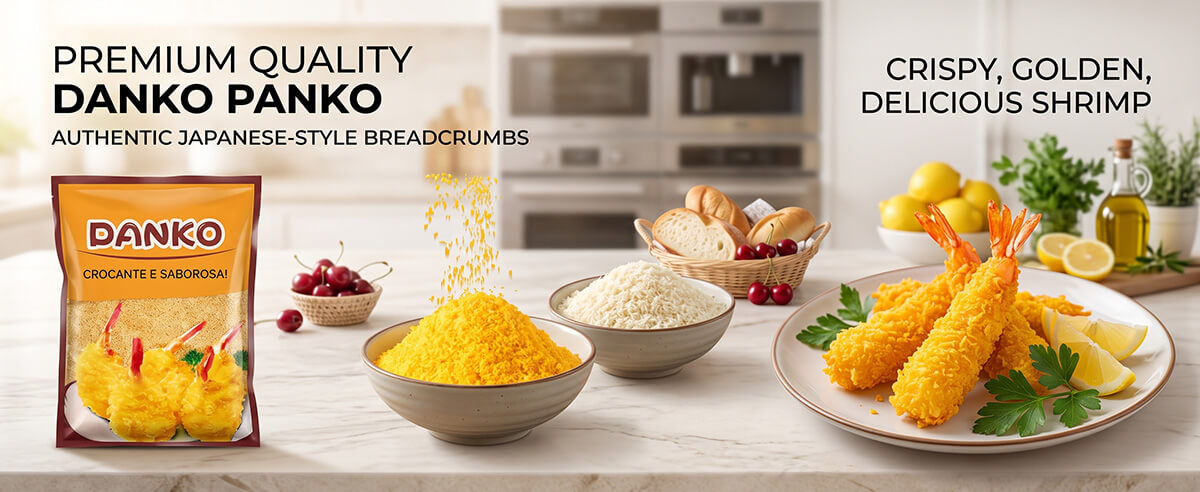
Equipment matters, but dough formulation, moisture control, and careful handling after baking shape high-quality Japanese panko flakes. At Jiangsu Jiudu International Trade Co., Ltd., we understand these details.
We are a specialized food coating manufacturer in Jiangsu Province, China. We run our own lines from raw material procurement to final inspection.
This article explains the technical differences between these baking methods. We will help you assess quality standards, operating needs, and application fit, so products stand out in a competitive market.
When making japanese style breadcrumbs, manufacturers choose between electrode baking and conventional ovens. These methods heat dough differently, changing crumb structure and final product quality. Direct process control helps manufacturers deliver consistent results that commodity resale options often lack.
Electrode baking uses the dough’s natural electrical resistance to create heat inside the loaf. As current moves through the dough, it creates a uniform thermal profile that external heat struggles to match. This internal energy pushes moisture outward, helping form a light, airy crumb.
Electrodes heat dough quickly and evenly, helping preserve its gas cells. This supports the signature open structure of japanese panko flakes. Internal heating also helps dough expand more predictably, creating a porous, delicate texture.
Conventional ovens heat dough from the outside inward through convection and radiant energy. The surface sets and browns before the center reaches its target temperature. That crust can trap moisture or create a denser interior than electrode baking.
Oven airflow strongly affects how moisture leaves the dough. Fast-moving air can dry the surface quickly and create a crisp exterior. Without careful control, it can produce uneven japanese panko flakes that lack the desired airy consistency.
When reviewing a production line, consider which method best fits your operational goals. Electrode baking often provides superior heating uniformity, vital for consistent, high-volume output. Conventional ovens offer more flexibility for different dough formulations and easier integration into existing bakery setups.
High-quality Japanese style breadcrumbs come from turning dough into airy, delicate flakes with great precision. Careful control matters at every step, from mixing ingredients to screening the finished product.
A superior crumb starts with hydrated flour and a strong gluten network. Proper hydration helps dough hold gas bubbles during fermentation and baking. Consistent gluten development prevents collapse and creates a light structure instead of a heavy, dense texture.
After mixing, dough thickness and proofing time shape the final cell structure. A controlled proofing environment helps gas cells expand evenly throughout the loaf. This even growth determines whether the final Japanese panko flakes feel light and airy or compact and brittle.
Your baking method controls how moisture stays in or leaves the bread. The right moisture level creates a crumb that turns crisp yet tender after frying. If moisture escapes too fast, the bread becomes too dry and loses its signature delicate, needle-like shape.
Electrode baking heats dough from the inside out. It reduces dense, crusty, or overly toasted areas that often develop in traditional ovens. Even heat distribution creates a consistent crumb structure suited to high-end Japanese style breadcrumbs.
After baking, the bread is carefully broken into grades for different culinary needs. Jiangsu Jiudu offers yellow and white varieties, helping you choose the right texture for each coating application.
| Grade | Texture | Best Use Case |
| Coarse | Large, airy flakes | Premium fried seafood |
| Medium | Standard flake size | General poultry coatings |
| Fine | Small, dense particles | Binding and light dusting |
The final stage crushes and screens the bread into the desired Japanese panko flakes. Gentle handling protects the flakes during this process. Proper screening ensures each batch meets your size and visual consistency requirements.
Electrode baking has changed how producers make consistent japanese panko flakes. Unlike traditional methods that use external heat, this process uses the dough as a resistor. That direct energy transfer creates a useful structure for food production.
Because heat starts inside the dough, it spreads more evenly than surface heating. This internal consistency keeps the crumb structure even from the loaf's center to its outer edges.
Electrode systems add energy quickly, which can shorten total bake times. Working with manufacturers like Jiangsu Jiudu lets you control each cycle and meet your technical requirements.
Consistent moisture levels are critical to your product's final performance. Electrode baking creates stable conditions and holds ideal hydration, producing japanese style breadcrumbs that crisp during frying.
This technology is impressive, but it requires major investment and special electrical systems. You also need close process monitoring to keep dough conductivity stable throughout production.
Advanced heating does not replace quality ingredients. You must control dough hydration, proofing times, and thickness for the desired flake geometry. Even with the best equipment, the fundamental science of baking remains the foundation of success.
This method suits high-volume operations where speed and output matter. It supports large-scale frozen food production, where thousands of units must meet identical specifications.
If your business depends on a premium, uniform coating, electrode baking provides the precision you need. It works well for central kitchens and wholesalers that need Japanese panko flakes that perform predictably in fried seafood and vegetable coatings.
Conventional baking may provide the control needed for your coating programs. When producing japanese style breadcrumbs, manufacturers rely on standard ovens for consistent daily results.
Conventional ovens are widely available, making them a reliable choice for many food production facilities. These systems have operated for decades, so your maintenance team likely has the skills to run them efficiently.
These ovens offer strong versatility. Adjust temperature and airflow settings for different dough formulations, so your japanese panko flakes meet texture requirements.
Facilities making varied items, such as tempura batter mix or seasoned fried chicken powder, can easily switch product lines. This flexibility suits smaller-volume runs where precision matters.
Radiant heat can quickly brown the loaf's exterior. This may trap moisture inside and affect the final crispness of your japanese style breadcrumbs without careful monitoring.
Airflow patterns in a standard oven can create hot spots. These variations may cause uneven color across the bread, requiring extra sorting or processing.
If your plant already operates tunnel or convection lines, optimizing existing equipment often costs less. You can use your current infrastructure to produce high-quality coatings without major capital investment.
For some applications, slight color variations in japanese panko flakes are acceptable. If customers value flavor and texture over uniform looks, conventional baking remains practical and efficient.
| Feature | Conventional Oven | Operational Benefit |
| Maintenance | Standard/Familiar | Lower training costs |
| Flexibility | High | Supports varied product lines |
| Heat Source | Radiant/Convection | Proven, reliable results |
| Scalability | Modular | Easily adjusted for volume |
When you assess japanese style breadcrumbs, baking technology strongly affects the quality of fried foods. Manufacturers must consider how heat moves through bread, affecting structure and appearance.
Electrode baking forms an open-cell structure in bread. This high porosity creates a superior crunch many chefs prefer for premium uses. Airy flakes absorb less oil during frying, creating a cleaner, lighter bite.
For frozen food processors, texture after reheating remains a major challenge. Japanese panko flakes made with electrode baking often resist moisture better. Their coating stays crisp in warming cabinets and during catering transport.
Your target market guides the choice between white and yellow varieties. White panko looks clean and neutral, while yellow panko gives an appetizing golden hue. Controlled browning during baking keeps both colors consistent in every batch.
Consistent color builds brand trust in retail and restaurants. It makes fried products look professional and predictable. Catering wholesalers need this reliability when supplying high-end foodservice distributors.
The right moisture level is critical for long-term stability. Careful baking control keeps breadcrumbs from becoming too brittle or soft. Consistent moisture levels help the product stay shelf-stable during distribution.
Properly dried breadcrumbs resist clumping, especially in humid environments. Managing the drying profile prevents softening and related quality loss. As a result, products reach the central kitchen or warehouse in perfect condition.
| Feature | Electrode Baking | Conventional Oven |
| Heating Profile | Internal/Uniform | Surface-to-Core |
| Flake Structure | Highly Porous | Dense/Uniform |
| Color Consistency | Excellent | Good |
| Moisture Control | High Precision | Moderate |
| Application Fit | Premium/Frozen | General/Standard |
The right baking method creates the perfect crunch in fried products. Choose equipment based on your needs and its effect on your japanese style breadcrumbs.
Frozen seafood and vegetables need crumbs that withstand heavy batter systems. Coarse japanese panko flakes create an airy structure and cover uneven surfaces well.
Freezer durability matters for retail and foodservice products stored in cold conditions. Electrode-baked crumbs can resist moisture migration and stay crispy after reheating.
High-throughput operations need a consistent crumb size that works with existing seasoning and batter. This coordination gives fried chicken a uniform appearance and texture in every batch.
Consider how long the product sits under heat lamps or in delivery containers. A strong crust preserves quality while the right baking method creates golden color and long-lasting crispness.
Central kitchens need predictable outcomes to maintain brand standards across locations. Consistent moisture levels and crumb density are essential for large-scale production schedules.
Jiangsu Jiudu offers many japanese style breadcrumbs for specific menu needs. Choose white, yellow, coarse, or fine crumbs based on each dish's requirements.
Unique coating profiles can inspire product innovation. Combine japanese panko flakes with custom tempura batter or proprietary seasonings to stand out in a crowded market.
Before a large purchase, conduct pilot trials. Test electrode-baked and conventionally baked samples with your coating blends to guide production-line decisions.
Jiangsu Jiudu International Trade Co., Ltd. manages each product's full life cycle. As an integrated manufacturer, not a trading company, it holds every batch to strict professional standards.
The company oversees its entire supply chain. It starts with careful raw material procurement and continues through dedicated in-house production lines. Strict inspections check every finished product against your kitchen's needs.
Direct manufacturing control creates more consistent results. When you compare japanese style breadcrumbs, products from one unified system perform more reliably during high-heat frying. This stability helps preserve the texture and crunch customers expect.
The company offers products for many cooking uses. You can choose the light, airy texture of white panko or the golden color of yellow panko. Coarse and fine breadcrumbs provide the right coating for each dish.
Beyond standard breadcrumbs, they offer advanced coating solutions. Their portfolio includes:
To get the best japanese panko flakes, request detailed technical data. Reliable suppliers document particle-size distribution and moisture content. These measurements help predict how the product will perform in your fryers.
"Quality is never an accident; it is always the result of high intention, sincere effort, intelligent direction and skillful execution."
Ask for application samples and frying test results before placing a large order. Data from several production lots helps confirm stable quality over time.
The company serves many food sectors with ingredients for successful food programs. It supplies global markets, helping professional kitchens access high-quality coating solutions.
| Industry Segment | Primary Need | Key Benefit |
| Frozen Food Processors | Shelf Stability | Consistent Texture |
| Central Kitchens | High Throughput | Uniform Performance |
| Catering Wholesalers | Product Variety | Customized Blends |
Choosing the right coating takes hands-on testing to meet your quality standards. Run side-by-side trials with your batter, seasoning, and frying equipment to compare japanese style breadcrumbs in real conditions.
Make a checklist for key performance measures. Check particle-size distribution, moisture levels, and color consistency. During frying, watch how japanese panko flakes affect adhesion, oil pickup, and crispness.
Check whether coated items keep their texture during freezer storage and foodservice holding. Packaging performance also affects supply chain efficiency. These tests show which baking method best fits your production goals.
Jiangsu Jiudu International Trade Co., Ltd. offers a wide range of pilot-testing solutions. Its catalog includes yellow panko, white panko, coarse breadcrumbs, and fine breadcrumbs. You can also source tempura batter mix, seasoned fried chicken powder, and custom coating blends for commercial applications.
These options support a structured supplier evaluation. Contact the team at Jiangsu Jiudu for samples during your next product development cycle. Proper testing helps finished goods deliver the exact crunch and visual appeal customers expect.


Hello, I am the online customer service


