
Have you ever wondered why some dishes are crunchier and more flavorful than others? The secret often lies in the coating you use, especially the unique texture of certain bread crumbs. This guide will explore the fascinating world of panko, a Japanese-style coating made from crustless white bread.
The term “panko” combines “pan,” meaning bread, and “ko,” meaning flour. Traditionally, it is made from light, airy bread that creates a distinct crunch. You will learn how particle size, ranging from 1 to 6mm, affects your cooking experience.
In this article, we will also look at practical packaging options, like Kikkoman’s convenient 8-ounce resealable bag. Whether you're frying, baking, or topping dishes, understanding the differences between panko and regular bread crumbs can elevate your culinary creations.
Stay tuned as we delve deeper into the benefits and uses of this versatile ingredient, and even share a quick recipe to transform stale bread into delicious crumbs for your next meal.
The secret to achieving a delightful crunch in your meals lies in the coating you choose. Panko is a Japanese-style crumb made from crustless white bread. This unique texture is not just a culinary trend; it enhances the flavor and crispiness of your dishes.
The term "panko" combines "pan," meaning bread, and "ko," meaning flour in Japanese. This distinction highlights its origins and culinary significance. Unlike regular bread crumbs, panko is lighter and airier, making it ideal for achieving the crispy finish you want.
Using panko in your kitchen offers several advantages:
In my Florida kitchen, I often use homemade panko for mac and cheese, Casarecce pasta, and sweet potato wedges. It truly elevates the dishes. Remember, while panko excels at crunch, regular crumbs still work well for binding meatballs and veggie mixtures.
| Feature | Panko | Regular Breadcrumbs |
| Texture | Lighter and airier | Dense and compact |
| Crispiness | Higher | Lower |
| Oil Absorption | Less | More |
| Best Uses | Frying, baking, topping | Binding, thickening |
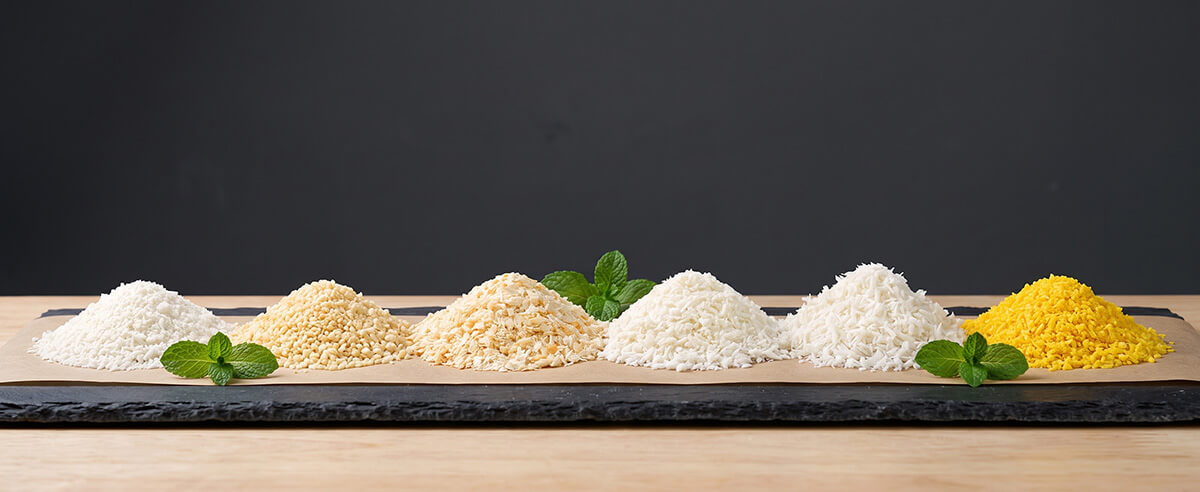
The secret to a satisfying crunch in meals lies in the coating's texture. Panko breadcrumbs are unique because they have larger flakes than regular options. This size difference creates more surface area, which is essential for that delightful crunch.
When considering the particle size, panko typically ranges from 1 to 6mm. This range allows you to choose the right texture for your dishes:
Larger flakes absorb less oil, keeping your food crispier for longer. For example, Kikkoman Panko received an impressive 8.5/10 rating for its airy texture. In contrast, finely ground regular crumbs tend to create denser coatings that can soak up more oil during frying.
Ultimately, understanding how particle size affects your cooking can elevate your culinary creations, from fried foods to baked casseroles.
The choice of coating can significantly enhance the texture and flavor of your meals. When it comes to panko, consider two main types: traditional and seasoned. Traditional panko is made from crustless white bread, offering a neutral flavor that lets you be versatile in the kitchen.
Seasoned panko, on the other hand, comes with added flavors such as Italian herbs, Parmesan, and garlic. This is a great option when you want to add a burst of flavor to your dishes without extra seasoning.
Here’s when to use each type:
Regular breadcrumbs still have their place, especially for dense binding applications like meatballs and stuffed vegetables. Kikkoman's seasoned panko, for instance, contains 35 milligrams of sodium per half-cup serving, so check nutrition labels when comparing options.
| Type | Ingredients | Best Uses |
| Traditional Panko | Crustless white bread | Frying, baking, neutral flavor |
| Seasoned Panko | Herbs, Parmesan, garlic | Flavorful toppings, side dishes |
Creating your own crunchy coating at home can be both simple and rewarding. With just a few ingredients and a little time, you can make delicious panko-style crumbs. Here’s a quick recipe to get you started.
Begin with one stale ciabatta roll. In about four minutes, you can transform it into tasty crumbs. Here’s how:
For the best results, a food processor is ideal for creating consistent crumbs. If you don’t have one, alternatives include:
If your bread isn’t stale enough, you can dry it in the oven at 350°F for about 5 minutes. Alternatively, heat it at 360°F until hard but not browned. Always check for mold before processing, and store your homemade crumbs immediately if you won't use them right away.
Exploring various coating options can lead to delightful surprises in your cooking. If you don't have panko or regular breadcrumbs, several effective substitutes can maintain the crunch and texture you want.
Here are some recommended alternatives:
Understanding how to package your panko effectively can enhance its freshness. Proper storage is key to enjoying the delightful crunch of your panko breadcrumbs for as long as possible.
For packaging, consider airtight containers or resealable bags. These options limit moisture and protect the flakes from stale odors. Kikkoman’s 8-ounce resealable bag is a great example, providing approximately eight servings of fresh crumbs.
For homemade panko, transfer the crumbs to an airtight container immediately. This will help them last up to one month in a cool, dark place, three months in the refrigerator, or six months in the freezer. For maximum freshness, refrigerate your homemade crumbs right away. Unlike commercial products, they lack preservatives.
Also, keep daily-use portions separate from long-term frozen portions. This prevents repeated exposure to air, which can soften the crumbs and weaken their coating performance.
Unique coatings can elevate the taste and texture of everyday meals. Panko bread crumbs are perfect for this purpose. They add a delightful crunch to a variety of dishes, making them a staple in many kitchens.
Here are some excellent ways to use panko in your cooking:
Seasoned coatings can transform everyday meals into gourmet experiences. Panko's mild, neutral base readily accepts a variety of spices and herbs. Experiment with Italian seasoning, oregano, lemon pepper, basil, dill, Greek seasoning, za’atar, Cuban seasoning, and Creole seasoning.
For best results, use about 1 teaspoon of seasoning per half cup of panko. Adjust the salt accordingly, especially when using stronger blends. For a personal touch, consider adding basil and crushed red pepper flakes to your crumbs. These additions connect well with the flavors of your homemade recipe.
Mixing in your favorite herbs can truly enhance the flavor profile of your dishes. Each seasoning brings its unique taste, making your meals more exciting. You’ll find that these enhancements can turn simple baked dishes into something extraordinary.
Toasting seasoned panko is a great way to deepen flavor and maximize crunch. Toast it in a dry pan over medium heat for 2-3 minutes. A small drizzle of olive oil can help with browning, but be careful not to burn the flakes before your baked dishes are done cooking.
Curious which coating brands deliver the best crunch and flavor? Evaluating the top options can help you choose the right one for your culinary adventures. Here’s a summary of the best panko brands based on expert taste tests.
In a recent evaluation, experts tested several brands. The experts compared products both plain and toasted, with or without butter. The results highlighted some standout options:
Kikkoman provides 110 calories, 24 grams of carbohydrates, and 4 grams of protein per one-half-cup serving. Each brand offers unique qualities that can enhance your recipes. Choose wisely to elevate your dishes!
Choosing the ideal coating can elevate your dishes from ordinary to extraordinary. Panko is a top choice for a light, airy coating that delivers a pronounced crunch and absorbs less oil than regular options. Consider the particle size when selecting crumbs; finer ones work well for binding, while larger flakes are perfect for fried foods and casseroles.
You can easily make your own panko from stale bread in just about four minutes. Alternatively, brands like Kikkoman and 4C offer convenient options. If you need substitutes, cornflakes are great for frying, while almond flour suits gluten-free baking.
To keep your crumbs fresh, store them in airtight packaging. Following proper storage guidelines can extend their shelf life to one month in a cool place, three months in the refrigerator, or six months in the freezer. Finally, enhance your dishes with herbs, spices, or a quick toast in a dry pan for added flavor without sacrificing crunch.
A: Panko breadcrumbs are a type of flaky breadcrumb made from crustless white bread. They provide a light and crispy texture, making them ideal for frying and baking.
A: You can use these breadcrumbs as a coating for fried foods, a topping for casseroles, or mixed into meatballs for added crunch. They absorb less oil, making the dish lighter.
A: Yes, you can substitute regular breadcrumbs, but keep in mind that the texture and crunch may differ. For a similar effect, consider crushing crackers or using other alternatives.
A: Store panko in an airtight container in a cool, dry place. For long-term storage, you can keep it in the refrigerator or freezer to maintain freshness.
A: Yes, seasoned panko is available and often includes herbs and spices, enhancing the flavor of your dishes. You can also easily season plain panko to suit your taste.
A: To maximize crunch, try toasting the breadcrumbs in a little olive oil before using them. This technique enhances their flavor and texture.
A: Absolutely! You can make your own by processing crustless white bread in a food processor until you achieve the desired flakiness. Bake them lightly to dry out if needed.
A: Panko is great for frying chicken, topping baked casseroles, or adding a crunchy layer to vegetable dishes. Its versatility makes it a valuable ingredient in many recipes.


Hello, I am the online customer service


