
Why do some fried foods turn out crisp and light while others feel dense? The answer may be the crumb coating. In Japanese, the name means “bread crumbs,” and this airy ingredient gives foods like tonkatsu a delicate crunch.
You can make a coarse, light texture at home with a food processor or a cheese grater. The simple recipe takes five minutes total and makes four servings. It calls for 200 grams of soft sandwich bread, or two slices about 3 centimeters thick.
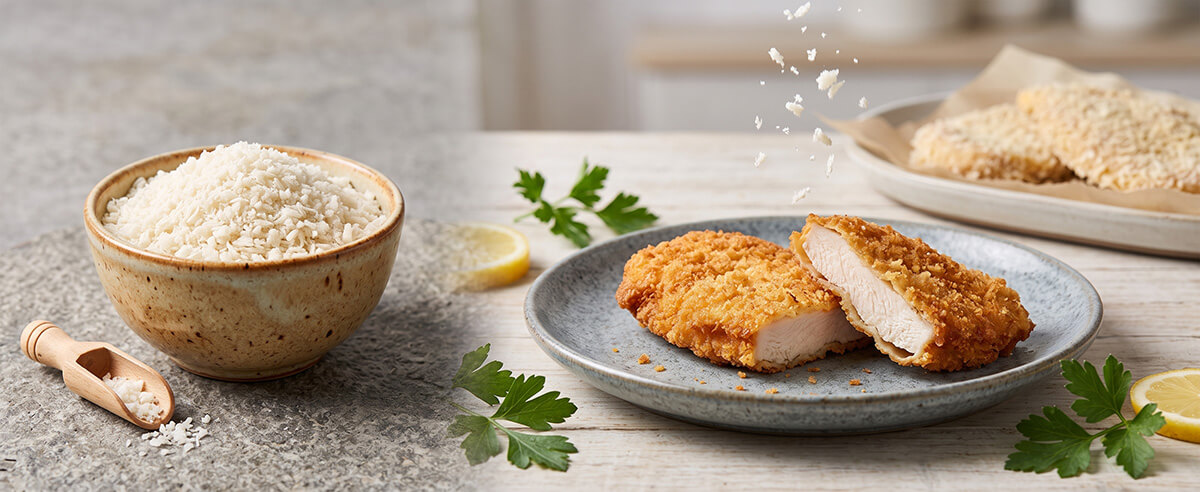
Fresh crumbs hold moisture that evaporates in hot oil. That helps create a lighter coating than fine, dense crumbs, making them a useful ingredient for coating fried foods.
This guide explores bread selection, crumb texture, drying, and storage. You’ll also find easy ways to use this versatile food in everyday cooking, from crisp toppings to favorite fried foods.
Panko breadcrumbs are coarse flakes made by shredding soft, crustless sandwich bread. Unlike fine crumbs ground from dry bread, these pieces stay light and uneven. Shokupan, a soft white loaf also called Japanese milk bread, works well because its tender center pulls into airy pieces.
Fresh flakes hold some moisture. In hot oil, that moisture turns to steam, helping each piece puff before it crisps. The result is a light, crisp coating that suits tonkatsu and other fried foods. Kikkoman also notes that it makes panko with custom-baked bread to create airy, crispy crumbs.
“The goal is a crisp layer with room to breathe.”
The crust is denser than the soft white center. Remove it before shredding, and the crumbs stay pale and light. This gives homemade panko its airy texture and helps it coat food without forming a heavy shell. Finer crumbs create a thinner coating, while larger flakes deliver a more noticeable crunch.
Both styles start with bread, but their shape and processing lead to different results. Choose based on the crust your recipe needs: airy and crisp or fine and firm.
Panko breadcrumbs come from soft sandwich bread and form large, uneven flakes. Western-style crumbs often come from dried bread or crackers ground into small, hard pieces. Dry panko contains less than 14% moisture, while fresh panko holds more moisture before cooking.
Those larger flakes create a thicker, light coating that fried foods can carry without feeling dense. Fine crumbs tend to make a thinner, firmer crust. Both types work well, but each suits a different texture.
Panko and regular breadcrumbs describe two styles, not different base ingredients. The bread type and how you process it shape the final result. For a crisp, open crunch, choose the coarse style. For a close, firm shell, reach for fine crumbs.
A good loaf and a few simple tools make this recipe easy to start. For homemade panko, focus on soft bread with a springy texture.
Shokupan, also called Japanese milk bread, has a plush, elastic crumb. It shreds into coarse flakes instead of breaking into fine particles. Use 200 grams, or about two 3-centimeter-thick slices, as a practical starting amount.
If shokupan is hard to find, choose soft, fluffy white bread with a similar springy feel. A soft crumb helps you make panko that stays light. Trim the crust for pale flakes, and skip flour; the bread is the key ingredient.
A food processor makes coarse breadcrumbs fast. Use short pulses to keep the flakes large. For a manual method, run the loaf over a large-hole cheese grater. You don't need anything beyond the processor bowl.
Gather the bread, food processor or grater, and a half-sheet baking sheet. This simple recipe takes 5 minutes to prepare and 5 minutes total, so you can make it in just a few minutes.
A few careful pulses turn soft bread into coarse flakes without much effort. This food processor method takes about five minutes from start to finish, with no temperature changes needed.
Start with 200 grams of soft sandwich bread. Use a knife to trim away the firmer crust, then cut the white center into 1-inch (2.5-centimeter) cubes. Handle each piece gently to keep the bread light, rather than pressing it flat.
Add the cubes to the food processor. Pulse for 1 to 2 seconds at a time, checking the size after each burst. About 10 to 12 pulses should make coarse panko, though your machine may work faster. Stop before the crumbs turn into fine powder.
“Keep the flakes coarse for a crisp, substantial coating.”
These larger breadcrumbs help create a thicker crunch when coating fried foods. For homemade panko, transfer the flakes once they look even enough for your recipe. The food processor makes the task quick, while short pulses give you better control. Fresh panko is ready to use right away, or you can set it aside for another dish.
No food processor? You can still make homemade panko with a simple kitchen tool. Freeze the bread first, so it feels firm and is easier to grate.
Use a cheese grater with large holes. Grate the frozen loaf into flakes over a clean bowl. Avoid pressing soft bread by hand, which can crush it into dense bread crumbs.
The grater sets the size of each piece, so results may vary more than with short pulses in a food processor. The flakes may not look perfectly even, but they can still give a recipe a light, fluffy coating. For the best texture, grate only what you plan to use during that cooking session.
Fresh crumbs are best used within a few days.
| Step | What to Do | What to Expect |
| Freeze | Chill the bread until firm | Easier grating |
| Grate | Use the grater’s large holes | Coarse flakes |
| Use | Make a small batch | Fresh breadcrumbs for your recipe |
Moisture affects how crumbs cook and how long they keep. Choose fresh or dried crumbs based on when you plan to use them.
Fresh panko can puff as moisture escapes in hot oil. This creates a light crust for fried dishes. Use fresh panko within a few days, and keep it chilled. Bread-based crumbs can grow mold, especially when they stay moist.
For longer storage, spread the crumbs in a thin layer on a parchment-lined baking sheet. Bake at 285°F (140°C) for 20 to 30 minutes. Check that they feel dry and crisp before storing them.
Let the crumbs cool, then place them in an airtight container in the refrigerator. Use dried panko within one month. Unlike regular breadcrumbs, fresh crumbs need to be used soon, so drying is a practical option when you make a larger batch at home.
Coarse crumbs can add crunch to more than deep-fried meals. Keep the seasoning simple, then match the texture to the dish.
Use panko breadcrumbs to coat tonkatsu, fried shrimp, Chicken Katsu, Korokke, or oven-baked chicken parmesan. Press the flakes onto the food before cooking for an even layer. They work with hot oil or in the oven, too. Try them on fish or roasted vegetables for a crisp finish.
Unseasoned crumbs pair well with herbs, spices, and other ingredients. Kikkoman reports 35 milligrams of sodium per half-cup serving, so you can season to taste.
Sprinkle crumbs over Stovetop Macaroni and Cheese or Green Tomato Gratin. For a crisp top, add them near the end of baking. Regular breadcrumbs can also work, but they may create a finer crust.
Mix some into meatloaf, meatballs, or Japanese Hamburg Steak. The bread helps hold moisture and keeps the mixture tender. These simple uses bring texture to many dishes like casseroles, vegetables, and family recipes.
| Recipe idea | How to use it | Result |
| Tonkatsu or fried shrimp | Coat before cooking | Crisp outer layer |
| Fish or roasted vegetables | Add a light coating | Toasty surface |
| Casseroles | Sprinkle on top | Crunchy finish |
| Meatloaf or meatballs | Mix into the blend | Moist, tender texture |
A crisp crust starts with the right flake size and cooking method. Keep the pieces coarse, then choose fresh or dry crumbs to suit the dish.
Pulse the bread about 10 to 12 times in a food processor. Stop while the flakes remain large; turning them to powder gives a finer result, much like regular breadcrumbs. Coarse panko breadcrumbs create a thicker, crisp coating for fried foods.
Fresh panko works well for frying. Its moisture escapes in hot oil, helping create a light crust. Dried panko stores longer and suits recipes that call for a crisp topping, such as roasted vegetables or Green Tomato Gratin. Follow the recipe’s cooking time and temperature for an even finish.
“Let the size of the crumb match the crunch you want.”
For packaged options, Kikkoman lists 110 calories and 24 grams of carbohydrates per half-cup serving. Check the label to compare products and serving sizes.
| Option | Best use | Key detail |
| Coarse flakes | Fried dishes | Thicker, crisp coating |
| Fresh crumbs | Frying | Moisture escapes during cooking |
| Dried crumbs | Oven toppings | Longer shelf life; Kikkoman lists 110 calories and 24 grams of carbohydrates per half-cup |
Great crunch begins with flakes that stay light and open. Large, airy Japanese panko flakes differ from fine Western-style breadcrumbs. They cling well and give tonkatsu a crisp finish without a dense shell.
To make panko at home, start with crustless shokupan or soft, fluffy white bread. Pulse it briefly in a food processor, or grate frozen slices with a large-hole cheese grater.
Use fresh crumbs within a few days, or dry them at 285°F (140°C) for 20 to 30 minutes before storing them in an airtight container.
That simple method puts a versatile coating within reach. Try it on fried foods, scatter it over a casserole, or mix it into meatballs. These easy steps bring crisp texture to many recipes.


Hello, I am the online customer service


