A comprehensive 2026 sourcing guide reviewing the top 10 tempura batter mix manufacturers in China. Compare verified BRC/IFS-certified factories, proprietary low-oil absorption formulas, and custom OEM private-label capabilities. Learn how global foodservice distributors, Izakaya chains, and frozen seafood processors can secure factory-direct pricing and complimentary trial sample kits.
Why does authentic Japanese tempura stay crisp and airy longer than many commercial batters?
Crispness depends on more than dipping technique. A tempura coating’s performance depends on its flour-to-starch balance, gluten development, water temperature, oil temperature, frying time, ingredient moisture, and holding conditions. Low-protein flour and selected starches can limit excessive gluten formation and support a lighter texture, but the result still depends on the cooking process.
For foodservice buyers, processors, and restaurant groups, assess commercial tempura batter through documented tests rather than broad performance claims. Ask each manufacturer for formulation details, recommended water ratio, frying temperature, oil type, holding-time results, and relevant certifications. China is an important source of food-coating products, but compare suppliers based on verified production capability, quality records, and export documentation.
QUICK SUPPLIER COMPARISON MATRIX (2026)
| Manufacturer |
Headquarters / Plant |
Certifications |
Core Specialty |
| 1. JIUDU Food (Jiangsu Jiudu) |
Jiangsu, China |
Verify BRC, IFS, Halal, HACCP, ISO |
Panko Breadcrumbs, Tempura batter, starch-based coatings, OEM and bulk supply
|
| 2. Beijing Shipuller (Yumart) |
Beijing, China |
Verify HACCP, ISO, Halal |
Asian food ingredients and tempura premixes |
| 3. Kwangna Food Group |
Guangdong, China |
Verify ISO, HACCP |
Catering and retail seasoning |
| 4. Anhui Huilong Seasoning |
Anhui, China |
Verify HACCP, ISO |
Industrial batter and pre-dust |
| 5. Qingdao Dawei Food |
Shandong, China |
Verify BRC, HACCP, Halal |
Japanese and Korean seasonings and tempura-related products |
| 6. Angel Yeast Co., Ltd. |
Hubei, China |
Verify BRC, FSSC22000 and ISO |
Functional leavening powders and premix ingredients |
| 7. Shandong Furun Food |
Shandong, China |
Verify HACCP, ISO |
Seafood and poultry coatings |
| 8. Dalian Tianpeng Food |
Liaoning, China |
Verify BRC, IFS, Halal |
Japanese cuisine condiments and dry mixes |
| 9. Foshan Haitian Flavouring |
Guangdong, China |
Verify ISO, HACCP |
Cooking premixes and food ingredients |
| 10. Yihai Kerry (Arawana) |
Shanghai, China |
Verify FSSC22000, ISO |
Commercial flour and base blends |
- Headquarters & Facilities: Nanjing, Jiangsu Province, China (2 dedicated manufacturing plants).
- Annual Capacity: 20,000+ metric tons.
- Certifications: BRC (Grade A), IFS, HALAL, ISO 22000, HACCP. Buyers should request current certificates and confirm that they cover the relevant facility and Tempura Batter Mix.
- Core Product Link: JIUDU Bulk Tempura Batter Mix
- Target Audience: Industrial frozen food processors, foodservice importers, Japanese restaurant and izakaya chains, and supermarket private labels.
Company Overview & Manufacturing Strength
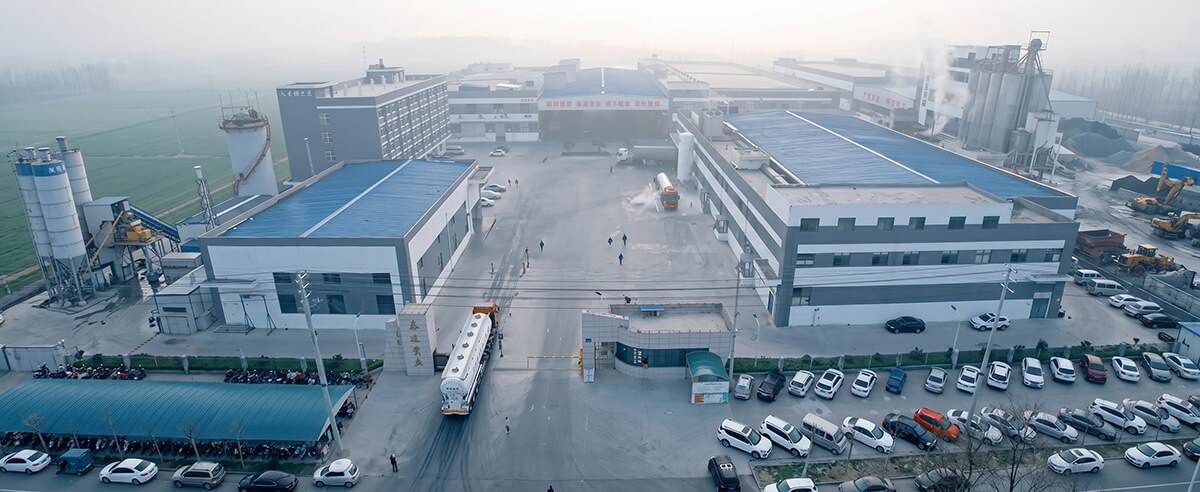
Founded in 2014, JIUDU Food produces food-coating products, including Panko breadcrumbs, seasoned frying powders, and Japanese Tempura Batter Mix. The company states that it operates two automated facilities covering more than 20,000 square meters; buyers should confirm the current plant scope and production capacity during due diligence.
JIUDU reports serving food distributors and processing customers in 40+ countries across North America, Europe, Southeast Asia, and the Middle East. Its product discussions emphasize flour selection, starch modification, gluten control, and consistent mixing for commercial frying applications.
Core Technological & Product Advantages
- Authentic Lace-Like Bloom: A tempura batter can form a delicate, lace-like bloom when droplets spread and set in hot oil. JIUDU describes a formulation using low-protein soft wheat flour, modified tapioca or corn starches, and leavening agents. The stated frying range is 170°C–180°C; buyers should confirm the recommended temperature for each recipe and substrate.
- Controlled Oil Pickup: The starch-to-flour balance can help create a faster-setting coating and influence oil absorption, but results depend on oil temperature, frying time, coating thickness, food moisture, and oil condition. Any claim of reducing oil uptake by up to 20% should be supported by a defined test method and comparison with a named control batter.
- Service Stability: For delivery, buffet, or heat-lamp service, ask for measured crispness results at specific holding temperatures and times. Do not treat the original claim of 45–60 minutes as a guarantee without product-specific testing.
- Adhesion on Moisture-Rich Ingredients: The batter is presented for wet ingredients such as Black Tiger shrimp (Ebi), squid rings, whitefish, and moisture-rich vegetables. A pilot should compare adhesion, spatter, color, and texture after frying, especially when the protein or vegetables contain surface water.
- Cold-Water Dispersion: The mix is described as dispersing in cold or ice water with reduced lump formation. Buyers should make sure the test uses the intended water ratio, mixing time, whisk type, and batch size. Carbonated water may change aeration and texture, so test it separately rather than assuming it will deliver the same result.
- Industrial Freezing Stability: For IQF lines, test pre-battered shrimp, seafood, and vegetables through freezing, storage, thawing, and final frying. Confirm whether the formulation matches the customer’s equipment and maintains adhesion and texture after freeze-thaw handling.
Custom OEM / ODM & Private Label Solutions
JIUDU presents OEM and ODM support for distributors and brand owners. Custom development may cover flour-to-water ratios, viscosity, crispness duration, browning, sodium level, ingredient restrictions, and the desired frying texture.
- Custom Viscosity & Color Profiles: Tailored flour-to-water ratios and frying shades, from pale ivory to golden amber.
- Flexible Packaging Options:
- 1 kg / 2 lb laminated retail and restaurant standing pouches (10–12 bags/carton).
- 10 kg / 20 kg / 25 kg multi-wall kraft paper bags with food-grade inner PE liners.
- Custom branded carton printing with private-label artwork and multilingual nutrition panels.
- Full Batch Traceability: Every production run includes a Certificate of Analysis, microbiological testing records, heavy-metal analysis, and phytosanitary documentation. Request copies for the specific shipment and destination market.
B2B Procurement & Sampling Policy
- Free Sample Kit: The supplier states that 1–2 kg trial batches can be dispatched worldwide by DHL or FedEx within 3–5 business days. Confirm availability, shipping charges, customs requirements, and whether the sample matches the proposed commercial formulation.
- Direct Factory Inquiries:
- Website: https://www.jiudufood.com/
- Email: mona@jiudufood.com / sutton@jiudufood.com
- WhatsApp / Mobile: +86 172 0523 3807 / +86 152 5099 9699
2. Beijing Shipuller Co., Ltd. (Yumart)
- Location: Beijing, China
- Overview: Beijing Shipuller is an Asian food ingredients exporter associated with the Yumart brand. Confirm directly whether its tempura batter products are manufactured in-house or supplied through a partner. Request the product specification, flour and starch composition, water ratio, certifications, MOQ, export documentation, and customization options before placing a wholesale order. Its range may suit Asian grocery distributors, restaurant groups, and supermarket private labels; test adhesion on shrimp and vegetables at the intended oil temperature.
3. Kwangna Food Group
- Location: Guangdong, China
- Overview: This Guangdong food group is described as a supplier of retail tempura flour, batter, breading products, and Asian cooking sauces. Verify whether it manufactures the mix or distributes finished ingredients. Buyers should compare starch content, salt level, viscosity, oil performance, packaging, MOQ, and export terms. Its products may fit QSR kitchens, catering operations, and regional wholesale channels, while soy sauce and dipping sauce should be evaluated separately from the tempura coating.
4. Anhui Huilong Food Co., Ltd.
- Location: Anhui, China
- Overview: Anhui Huilong is described as a bulk supplier of functional starches, pre-dusts, and savory batter mixes for poultry and quick-service food production. Confirm whether its products include a finished tempura batter or are intended as industrial coating ingredients. Ask for flour type, starch percentage, water ratio, protein or allergen information, oil recommendations, temperature range, MOQ, and test data. Its pre-dust and batter systems may suit seafood processors and QSR kitchens, but a sample trial should verify adhesion and final texture.
5. Qingdao Dawei Seasoning Food Co., Ltd.
- Location: Shandong, China
- Overview: Qingdao Dawei focuses on Japanese-style and Korean-style seasonings, panko, and tempura-related mixes near the Qingdao port. Confirm whether it is a direct manufacturer, a distributor, or both, and request current certifications for the specific product and plant. Its location may support export logistics to East Asian and Russian markets. Before approving a supplier, compare flour, starch, salt, batter viscosity, oil absorption, packaging, MOQ, and delivery temperature requirements.
6. Angel Yeast Co., Ltd.
- Location: Hubei, China
- Overview: Angel Yeast is a China-based yeast and biotechnology company. Confirm its relevance as a tempura batter supplier: the company may provide baking powder, leavening powder, or premix ingredients rather than a finished tempura product. Buyers should request the exact product specification, intended cooking application, protein and allergen information, starch composition, certifications, MOQ, and export documents before treating it as a direct tempura supplier.
7. Shandong Furun Food Co., Ltd.
- Location: Shandong, China
- Overview: Shandong Furun is described as an integrated agricultural and food-processing supplier of breading premixes, predust powders, and tempura batters. Buyers should verify whether the company produces a finished batter or a coating ingredient, then request product specifications, flour and starch composition, protein and allergen data, certifications, MOQ, and export records. Its products may suit seafood and poultry processors, but sample testing should confirm adhesion, oil performance, and final texture.
8. Dalian Tianpeng Food Co., Ltd.
- Location: Liaoning, China
- Overview: Dalian Tianpeng is described as a Northern China supplier of Japanese-cuisine dry mixes, condiments, horseradish, and wasabi products, including standard tempura flour packs. Confirm whether it produces the batter in-house, identify the intended cooking process, and request ingredient, starch, protein, salt, oil, certification, MOQ, shelf-life, and export information. It may suit Asian grocery distributors, but product testing is needed before use in commercial kitchens.
9. Foshan Haitian Flavouring & Food Co., Ltd.
- Location: Guangdong, China
- Overview: Foshan Haitian is a large Guangdong condiment company. Its relevance here should be limited to products confirmed in its current catalog: it may offer general frying flour, cooking premixes, or food ingredients rather than a finished tempura batter. Verify whether a suitable product exists and request flour, starch, oil, salt, allergen, certification, MOQ, and export information. Soy sauce and other sauce products should not be treated as evidence of tempura-manufacturing capability.
10. Yihai Kerry Arawana Holdings Co., Ltd.
- Location: Shanghai, China
- Overview: Yihai Kerry Arawana is a major Chinese agricultural and food-processing group. It may be a source of commercial wheat flour, edible oil, or base ingredients, but buyers should confirm whether it supplies a finished tempura batter mix. Request the exact product category, flour specifications, starch and protein data, cooking guidance, certifications, MOQ, packaging, and export documentation before selecting it for a coating program.
B2B Buyer’s Sourcing Guide: How to Evaluate a Chinese Tempura Batter Mix Manufacturer
When vetting Chinese suppliers for contract manufacturing or distribution, overseas procurement teams should compare a tempura batter using a documented pilot protocol rather than relying on broad performance claims. Request technical sheets, ingredient declarations, current certifications, and export terms before approval.
EVALUATION CHECKLIST
[✓] Product identity: Confirm whether the supplier offers a finished tempura batter mix, pre-dust, breading powder, or only flour, starch, and other ingredients.
[✓] Formula review: Request the flour type, starch content, protein level, gluten statement, allergen declaration, salt, leavening agents, and complete ingredient list.
[✓] Batter preparation: Mix batter with the supplier’s stated water ratio. Record viscosity, lumps, mixing time, and holding stability; use the same bowl and equipment as production.
[✓] Frying trial: Heat oil to the recommended temperature, record frying minutes, oil type, batch size, coating weight, color, adhesion, texture, and oil pickup.
[✓] Comparative test: Run the same recipe with shrimp and vegetables against a control batter. Use identical ingredient moisture, preparation, oil, temperature, and cooking time.
[✓] Cold-water performance: Test dispersion in the specified water range and document whether the batter remains uniform during service.
[✓] Service and freeze-thaw test: For frozen-food applications, evaluate adhesion and texture after IQF processing, storage, thawing, and refrying. Do not equate “cryogenic” with every commercial freezing method.
[✓] Safety and quality: Verify current BRCGS, IFS, HACCP, ISO, or other applicable certifications with the issuing body and confirm site and product scope. Request microbiological results, heavy-metal testing, COA records, and allergen controls.
[✓] Packaging and logistics: Check paper or laminated packaging, moisture barriers, shelf life, lot coding, storage conditions, lead time, payment terms, Incoterms, and export documents.
[✓] Scale and MOQ: Confirm production capacity, minimum order quantity, pilot availability, technical support, formulation ownership, and whether the supplier can scale from samples to container orders.
Frequently Asked Questions (FAQ) for Global Buyers
Q1: What is the main difference between standard wheat flour and specialized Tempura Batter Mix?
A specialized Tempura Batter Mix combines flour with starches and, in some formulas, leavening agents to produce a lighter coating than all-purpose flour alone. All-purpose flour varies in protein and gluten content; higher gluten development can make a batter more elastic, while lower-gluten formulations may create a more delicate texture. This does not make the product gluten-free. Follow the supplier’s recipe, water ratio, and cooking guidance, and ask whether the formula contains egg, wheat, or other allergens.
Q2: Can Chinese tempura batter manufacturers match custom client formulations?
Some direct manufacturers can customize batter viscosity, adhesion, browning, sodium, starch balance, and performance for a customer’s frying equipment and ingredients. Confirm that the supplier owns or controls the relevant production process, then request pilot samples, formulation terms, and written specifications. Compare each sample using the same water ratio, oil, temperature, recipe, and frying time.
Q3: What is the standard shelf life and packaging specification for export?
- Shelf Life: The original specification states 12 to 18 months in a cool, dry environment. Confirm the period on the product’s current technical sheet and label, because shelf life depends on the formula, packaging, storage conditions, and destination requirements.
- Standard Packaging: Options described include 1 kg retail or catering bags and 20 kg or 25 kg kraft paper bags with an inner polyethylene moisture barrier. Confirm net weight, lot coding, packaging compliance, palletization, storage temperature, and moisture protection before shipment.
Q4: How can international buyers request a factory audit and product sample?
Contact JIUDU Food’s export team to request a 1–2 kg complimentary trial kit, current product documents, or an audit plan. The original offer mentions international courier delivery and third-party inspections by SGS, TÜV, or BV; confirm availability, fees, auditor scope, and the exact Jiangsu site in advance.
Looking for Factory-Direct Tempura Batter Mix?
Contact JIUDU Food for a quotation, product specification, ingredient declaration, allergen statement, COA, certification copies, MOQ, pricing basis, lead time, sample size, and destination-port estimate.