
What makes one coating shatteringly crisp while another turns soft and heavy? The answer often comes down to shape, moisture, and how you cook it.
Panko breadcrumbs are Japanese-style flakes made from crustless white bread, often shokupan or Japanese milk bread. Their larger, airy texture creates more surface area, so they absorb less oil and deliver a lighter crunch than regular breadcrumbs.
This guide shows you how to use them in everyday food. You will discover smart options for chicken, vegetables, casseroles, pasta, and pork katsu. You will also learn how to turn stale bread into crisp crumbs in about four to five minutes.
Along the way, you will find practical tips for seasoning, drying, storing, and choosing substitutions. With the right method, this simple ingredient can improve both flavor and texture while helping reduce kitchen waste.
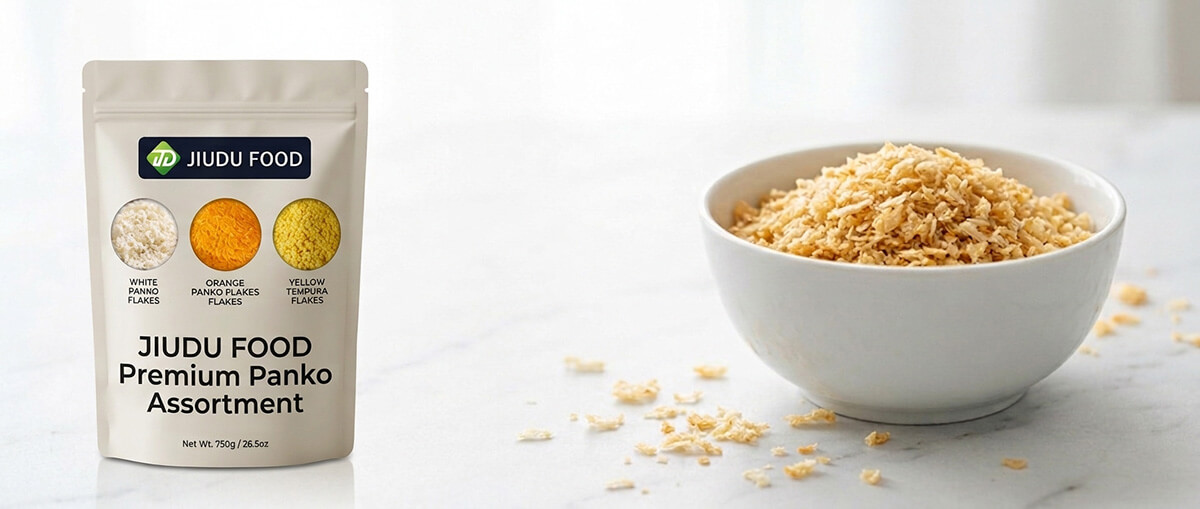
The name panko combines the Japanese words “pan,” meaning bread, and “ko,” meaning flour. This Japanese-style ingredient uses light flakes instead of fine particles, giving your meals a distinct crisp finish.
Traditional crumbs come from fully baked loaves and are finely ground. Their dense shape can create a firm, even layer. In contrast, panko uses large, coarse flakes made from crustless white bread. The open shape adds lift and keeps the coating from feeling heavy.
Large flakes expose more surface area to heat. They absorb less oil, so your food develops a dry, airy shell with lasting crunch. This quality works well for pork katsu, fried chicken, seafood, roasted vegetables, and baked pasta.
You can buy plain or seasoned varieties, depending on your recipe. Kikkoman Panko earned an 8.5/10 rating in Sporked’s taste test, making it a well-regarded choice for home cooks seeking reliable texture.
The signature crunch starts with a simple choice: light white bread without its outer crust. Traditional panko breadcrumbs use Japanese milk bread, also called shokupan. Removing the crust keeps the flakes pale and helps create a coarse, airy texture. Unlike regular breadcrumbs, these larger pieces form a delicate coating that stays crisp.
Because the loaf is made crustless, the flakes have a clean color and mild flavor. Panko also has a more open structure than regular bread crumbs, which helps food brown without feeling dense. Homemade versions can use gluten-free or low-carb loaves when dietary needs call for an alternative.
Plain varieties act as a blank canvas. You can add salt, Parmesan, oregano, or other seasonings to match the dish. Seasoned panko brings ready-made flavor, but it may not suit every recipe. In taste tests, 4C Gluten Free Plain Panko earned 9/10 and had the largest granules. Great Value Italian Style Panko scored 8.5/10 and had noticeable oregano.
| Type | Best Feature | Ideal Use |
| Plain | Neutral texture | Custom coatings |
| Gluten-free | Diet-friendly crunch | Restricted diets |
| Italian style | Herb-forward flavor | Quick baked dishes |
You can make crisp flakes at home with simple ingredients and a few kitchen tools. This easy recipe turns stale bread into an affordable coating for many dishes.
Choose one stale ciabatta roll for about 1 cup of crumbs, or use three slices of white bread. Remove the crust, then add salt, pepper, and optional dried herbs such as oregano.
Cut the loaf into small chunks and add to the processor. Pulse for 5–10 seconds, using about four short pulses. Stop when the pieces look coarse and airy. Do not grind them into fine dust.
Use a box grater for fresh flakes. For drier pieces, seal them in a bag and crush them with a rolling pin or meat tenderizer. A mortar and pestle also works. Keep the pieces large so your homemade topping stays crisp on casseroles, vegetables, and other foods.
Drying controls the final texture of your homemade panko. It removes moisture without adding too much color, so the flakes stay light and crisp.
For deeper flavor, toast the crumbs in a dry pan for 2–3 minutes. Stir often, since small pieces can darken quickly. This quick step adds extra crunch without adding oil.
“Spread the crumbs in a single layer for the most even drying.”
| Method | Time and Heat | Best Result |
| Oven drying | 300°F for 4–5 minutes | Light, crisp coating |
| Fresh bread drying | 350°F for about 5 minutes | Firm, pale crumbs |
| Dry-pan toasting | 2–3 minutes over medium heat | Bold flavor and crunch |
A well-chosen seasoning turns a plain coating into a signature finish. Start with this neutral base, then match the blend to your dish. Italian herbs, lemon pepper, dill, Greek seasoning, za’atar, Cuban seasoning, and Creole seasoning all add a distinct flavor.
For a simple homemade recipe, mix 1 tablespoon dried oregano, 1 teaspoon dried parsley, and 1 teaspoon dried basil. Add ½ teaspoon nutritional yeast, 1 teaspoon crushed red pepper, and optional ½ teaspoon pink salt. This blend works well with chicken, fish, and roasted vegetables.
Use about 1 teaspoon of seasoning per ½ cup of panko bread. That ratio adds flavor without hiding the food’s natural taste. Parmesan creates a savory crust, while garlic and smoked paprika bring depth. Nutritional yeast offers a dairy-free, cheesy note.
Toast seasoned panko in a dry pan for 2–3 minutes to maximize flavor and crunch.
Check the label before adding salt. Kinder’s Parmesan Herb Crispy Panko Blend received a 6/10 rating because tasters found it very salty. Plain breadcrumbs or regular breadcrumbs give you better control in recipes.
| Blend | Main Ingredients | Best Pairing |
| Herb | Oregano, parsley, basil | Chicken and vegetables |
| Spicy | Red pepper, garlic, smoked paprika | Seafood and fries |
| Cheesy | Parmesan, nutritional yeast, low salt | Pasta and casseroles |
A crisp finish can change the whole feel of a meal. Use panko breadcrumbs when you want a light coating with strong texture and a clean, toasted flavor.
Dip chicken, shrimp, pork, or mozzarella sticks in egg, then press them into seasoned flakes. The pieces turn golden in the oven, air fryer, or skillet. This method also suits cauliflower, zucchini, broccoli, chicken nuggets, and katsu.
Toast the topping first, then scatter it over mac and cheese, casseroles, stuffed shells, pasta, or vegetable gratins. This simple step adds contrast to soft food without changing its flavor. It also works as a topping for baked dishes and tomato soup.
For binding, regular breadcrumbs create a denser mix. Panko bread gives meatballs a lighter structure and adds surface crunch. You can also use panko in muhammara, appetizers, and other recipes that need body.
Use toasted crumbs when you want texture without extra frying.
Kikkoman earned an 8.5/10 for its airy texture. Great Value Plain Panko scored 7.5/10 and offers a practical budget choice.
Choose your coating based on the texture and structure your dish needs. Panko breadcrumbs suit frying, air frying, and baked toppings because their open flakes absorb less oil. The result feels lighter and stays crisp longer.
Regular breadcrumbs create a denser layer. They work better when binding holds ingredients together, such as in veggie burgers, meatballs, and stuffed mushrooms. For a lighter mix, panko bread can serve as a useful blank canvas in some recipes.
Match the substitute to the cooking method, not just the flavor.
Almond flour becomes less crisp, while crackers add salt. Rolled oats provide a hearty finish. These choices help you adapt dishes without losing their main texture.
| Option | Best Use | Texture |
| Panko | Frying and air frying | Light and crisp |
| Regular breadcrumbs | Binding mixtures | Dense and firm |
| Crushed cornflakes | Frying substitute | Very crisp |
| Almond flour | Gluten-free vegetables | Soft and nutty |
Proper storage helps your crisp flakes stay fresh and ready for the next recipe. Always cool homemade bread pieces fully before sealing them. Trapped steam can soften the texture and lead to spoilage.
Place cooled panko in a resealable bag, mason jar, or airtight container. Keep it in a cool, dark, dry cabinet. Homemade breadcrumbs contain no preservatives, so use them within about one month.
Store-bought varieties often last longer, but you should follow the package date. Before using any crumbs, check for an off smell, moisture, or signs of mold.
For longer storage, refrigerate the sealed container. Homemade breadcrumbs can last up to three months under one guideline. Another recommendation suggests refrigeration for up to six months.
Freezing offers the best option for meal preparation. Label each container with the preparation date, then use it within six months. Let the amount reach room temperature before cooking.
| Storage Method | Suggested Time | Best Practice |
| Pantry | About 1 month | Keep cool and dry |
| Refrigerator | 3–6 months | Seal tightly |
| Freezer | Up to 6 months | Label and portion |
A reliable coating can make everyday food feel special. Panko uses large flakes from crustless white bread, so it delivers a light shell and lasting crunch without a heavy finish.
For a quick recipe, pulse stale pieces in a food processor, or shape them with a box grater, rolling pin, or mortar and pestle. Dry the homemade breadcrumbs at 300°F for four to five minutes, or toast them for two to three minutes.
Season the flakes with herbs, Parmesan, oregano, or nutritional yeast. Taste before adding salt, especially when using a seasoned blend.
Use panko for coatings and baked toppings. Choose regular bread when you need a firm binder in meatballs or similar recipes.
After cooling, seal the remaining breadcrumbs. Keep them about one month in a pantry, up to three months chilled, or up to six months frozen. If you shop online, read the seller’s privacy policy. This simple habit keeps your next meal crisp, practical, and ready to serve.


Hello, I am the online customer service


