
Have you ever wondered what makes the perfect fried chicken so irresistible? The secret often lies in the breadcrumbs that provide that coveted crispy texture and golden-brown appearance. These tiny bits of bread aren't just filler; they are a crucial component in countless recipes, elevating dishes to new heights.
This guide explores the fascinating world of breadcrumb production, from homemade techniques to industrial solutions. Whether you're a home cook or a large-scale processor, understanding how to make and use breadcrumbs effectively can transform your fried chicken recipes.
We will explore the benefits of using leftover bread, the importance of selecting the right type of crumbs, and how proper preparation can enhance your dishes. With insights from industry leaders such as Jiudu Food, you will learn how to streamline your breadcrumb processing to achieve consistent, high-quality results.
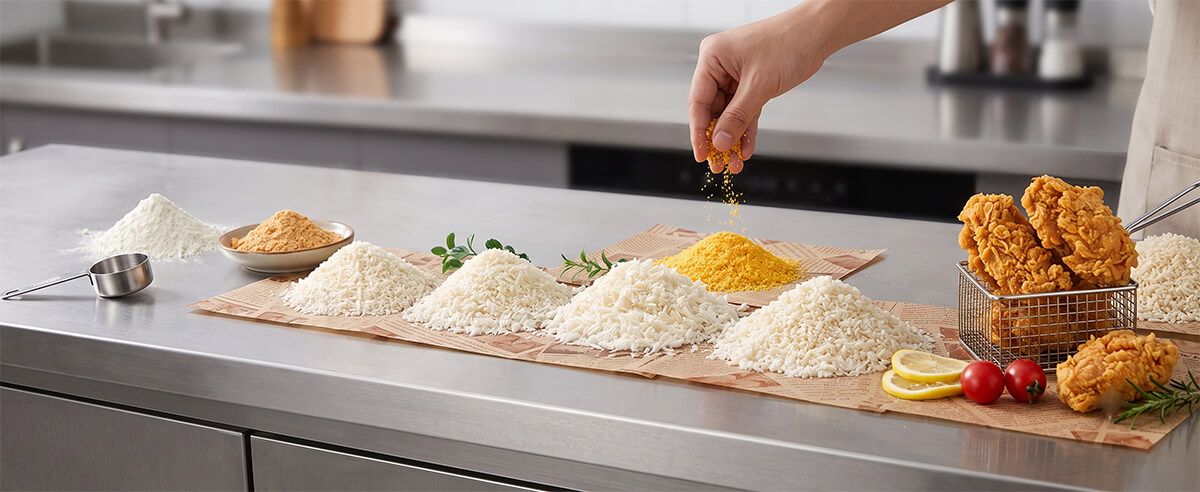
Breadcrumbs play a pivotal role in achieving the ultimate fried chicken experience. They are not just a coating; they're a functional ingredient that enhances the dish's overall quality.
These tiny bits of bread lock in moisture while creating a protective barrier during frying. This helps keep your chicken juicy and flavorful. The texture of your crumbs significantly influences the mouthfeel of the fried chicken. Coarse crumbs provide a rustic crunch, while fine crumbs create a more delicate, uniform crust.
Moreover, breadcrumbs contribute to flavor development through the Maillard reaction during frying. This process generates complex savory notes that elevate the chicken's natural taste. Quality crumbs also insulate the meat, preventing it from drying out and allowing the exterior to reach that perfect golden-brown color.
In industrial fried chicken processing, maintaining consistent breadcrumb quality is crucial. It ensures batch-to-batch uniformity, which is essential for brand reputation and customer satisfaction. You should also recognize that breadcrumb absorption affects how much oil they take up during frying. This impacts both the nutritional profile and the perceived greasiness of the final product.
Additionally, breadcrumbs' binding properties help seasonings adhere to the chicken's surface. This guarantees that every bite delivers the intended flavor profile. Your breadcrumb choice can even affect how long fried chicken stays crisp under heat lamps, with some formulations holding their texture longer than others.
Understanding these roles helps you make informed decisions about breadcrumb specifications for your specific fried chicken recipes and production needs.
The foundation of great breadcrumbs starts with the right choice of bread. When making breadcrumbs at home, you should consider both the type and condition of the bread. The ideal option is day-old bread, as its drier texture breaks down easily. Fresh bread, on the other hand, can clump in the food processor if it's too moist.
Many types of bread work well for breadcrumbs. From sourdough to sandwich bread, each variety brings its own unique flavor and texture to the final product. Here’s a quick overview of some suitable options:
| Type of Bread | Notes |
| Sourdough | Remove tough crusts for even crumbs. |
| Sandwich Bread | You can leave the crusts on; it’s softer and easier to process. |
| Whole Wheat | Offers a nuttier flavor and a healthier option. |
| Rye | Provides a distinct taste that can enhance your dishes. |
| Gluten-Free Bread | Good for those with dietary restrictions. |
Using stale bread, preferably a few days old, produces the best results. Its reduced moisture content prevents clumping in the food processor. However, if you only have fresh bread, you can dry it out in a low-temperature oven before grinding. This extra step ensures you achieve the right texture.
As you prepare your bread, consider cutting or tearing it into uniform pieces, roughly the size of croutons. This ensures even dehydration and consistent grinding results. You can also collect leftover bread pieces over time and store them in an airtight container in the freezer to prevent mold growth.
The more diverse your collection of bread scraps, the more complex and interesting the flavor profile of your breadcrumbs will be. This variety adds depth to your fried chicken coating and enhances the overall dining experience.
For industrial applications, you can apply these same principles at scale. Source consistent bread types that meet your specifications for flavor, texture, and performance in fried chicken processing.
The journey from bread to breadcrumbs is essential for achieving the perfect fried chicken. Proper preparation techniques will ensure that your crumbs have the ideal texture and flavor.
To start, arrange your bread pieces in a single layer on a large baking sheet. Make sure they aren't overcrowded; this lets hot air circulate evenly around each piece.
Set your oven to 325°F and bake the bread pieces for 10 to 15 minutes. Watch closely until they are completely dry and hard, with a crackly, shattery texture. If you prefer, you can also use a lower temperature of 250°F for a longer drying period. This minimizes the risk of browning the bread before it fully dehydrates.
Once your bread pieces are thoroughly dried, transfer them in small batches to a food processor fitted with a metal blade. Use the pulse function: apply 12 to 15 pulses for coarse crumbs (about 1/4 inch), or 20 or more pulses for fine crumbs.
If you don’t have a food processor, a blender can work as an alternative. However, you will need to stop and stir the crumbs frequently to grind evenly. For a more rustic approach, place the dried bread pieces in a sealed plastic bag and crush them with a rolling pin.
In industrial settings, Jiudu Food offers specialized bread-processing equipment. This machinery automates drying and grinding, delivering consistent crumb sizes at high throughput for large-scale fried chicken operations.
Remember, one cup of fresh breadcrumbs reduces to approximately half a cup once dried. Plan your quantities accordingly when following recipes. The goal of both drying and grinding is to achieve a uniform texture that adheres evenly to your chicken pieces and fries up with consistent crispness.
Enhancing the flavor of your fried chicken starts with the right breadcrumb seasoning. A well-seasoned crumb mixture can elevate your dish, making it more flavorful and enticing.
In a medium bowl, mix your breadcrumbs with a variety of seasonings and spices. A versatile combination includes oregano, marjoram, thyme, basil, paprika, garlic powder, onion powder, white pepper, and salt. This blend creates a rich flavor profile that complements your fried chicken beautifully.
For a proven base recipe, combine 3 cups of breadcrumbs with:
You might also add chili powder for heat, mustard powder for tang, or rosemary for a woodsy note that pairs well with chicken.
Incorporating 2 teaspoons of olive oil per cup of breadcrumbs helps the seasonings adhere better. This not only enhances flavor but also promotes even browning during frying.
For an extra layer of flavor, adding finely grated Parmesan to your breadcrumb mixture introduces a savory umami dimension. This contributes to a richer, more golden crust when fried.
Adjust the salt level in your seasoning blend based on your fried chicken recipe. If your chicken is brined or marinated, you may want to reduce the salt to avoid overpowering the dish.
For industrial production, pre-mixing large batches of seasoning blends ensures consistency across every batch of fried chicken that leaves your processing line. Experimenting with different herb and spice combinations can help you develop a signature breadcrumb profile that distinguishes your fried chicken products in the market.
Finally, remember to store any unused seasoned breadcrumbs properly. The added herbs and cheese can reduce shelf life compared to plain, unseasoned crumbs.
Proper storage techniques are vital for preserving the quality of your breadcrumbs. Keeping them in optimal condition ensures that they remain flavorful and dry, whether you are a home cook or managing inventory in a commercial setting.
Storing breadcrumbs effectively can extend their shelf life and maintain their texture. The right storage methods prevent moisture from compromising your crumbs, which is crucial for avoiding mold and spoilage.
Store homemade breadcrumbs in the freezer since they lack preservatives. Use an airtight container to prevent moisture absorption and unwanted freezer odors. Ideally, use them within six months for the best quality.
You can keep fresh breadcrumbs in the refrigerator for up to one week. However, always check for any signs of spoilage before use. Dried breadcrumbs stored in an airtight container at room temperature will last about two weeks. To extend their shelf life, freezing is an excellent option, keeping them viable for up to four months.
Here’s a quick overview of the shelf life for different types of breadcrumbs:
| Type of Breadcrumbs | Storage Method | Shelf Life |
| Fresh Breadcrumbs | Refrigerator | Up to 1 week |
| Dried Breadcrumbs | Room Temperature | Up to 2 weeks |
| Dried Breadcrumbs | Freezer | Up to 4 months |
| Homemade Breadcrumbs | Freezer | Up to 6 months |
Keep your breadcrumbs completely dry at all times. Any introduction of moisture will quickly lead to mold growth and bacterial contamination. Always use containers with tight-sealing lids to prevent ambient humidity from compromising the crispness of your dried crumbs during storage.
Label your storage containers with the production date to track freshness. Implementing a first-in, first-out rotation system in your kitchen or processing facility will help you manage your inventory effectively. By following these guidelines, you can ensure that your breadcrumbs perform just as well as freshly made ones, maintaining consistent quality in your fried chicken dishes.
In fried chicken production, breadcrumb-processing equipment is crucial. As demand for fried chicken grows, the need for efficient, consistent breadcrumb production becomes increasingly important. Jiudu Food offers specialized equipment to streamline this process and deliver high-quality results every time.
These industrial solutions are engineered specifically for high-volume food manufacturing environments. With Jiudu Food's breadcrumb processing lines, you can integrate multiple stages into a single workflow. This includes bread drying, precision grinding, and automated seasoning, all working together to reduce labor costs and processing time.
Jiudu Food provides comprehensive breadcrumb processing lines that handle various types of bread. This versatility allows you to produce consistent crumbs, whether you're using fresh or leftover bread. The equipment ensures every batch meets the same quality standards, which is essential to maintaining your brand's reputation.
Implementing industrial processing equipment can dramatically scale your fried chicken breadcrumb production. Here are some key benefits:
Applying breadcrumbs to fried chicken is essential for achieving that signature crunch. Properly coating your chicken not only enhances flavor but also boosts visual appeal. A well-executed breading technique can elevate your fried chicken from ordinary to extraordinary.
To achieve optimal coating adhesion on chicken pieces, you should set up a standard three-step breading station. This station consists of seasoned flour, beaten egg wash, and your prepared breadcrumbs. Here’s how to do it:
For extra-thick crusts, consider a double coating. Repeat the egg wash and breadcrumb steps after the initial layer has set for a few minutes. This technique will yield a more substantial crust that holds up well during frying.
Resting breaded chicken pieces on a baking sheet for 10 to 15 minutes before frying is also beneficial. This resting period helps the coating adhere better and reduces breadcrumb loss in the oil.
The thickness and texture of your breadcrumb coating directly influence cooking time. Heavier coatings may require slightly longer fry times to ensure the chicken reaches safe internal temperatures. Monitoring your frying oil temperature is crucial; breadcrumbs can burn quickly at temperatures above 350°F, resulting in a bitter taste and unappealing dark crusts.
The type of breadcrumbs you use affects oil absorption during frying. Finer crumbs generally absorb less fat than coarse crumbs due to their denser structure. To reduce overall fat content while achieving a crispy, golden exterior, consider finishing par-fried breaded chicken in a hot oven.
Consistently applying your breadcrumb-coating technique ensures every batch of fried chicken meets your quality standards for appearance, texture, and flavor. By mastering these techniques, you can create fried chicken that tastes great and looks irresistible.
Perfecting your use of breadcrumbs is essential for achieving outstanding fried chicken. However, common challenges can arise during breadcrumb production and application. This section offers practical solutions to keep your fried chicken processing running smoothly.
Stay vigilant about moisture control throughout the breadcrumb production process. Even small amounts of water vapor can trigger mold growth that ruins entire batches. If you gather bread over time to make crumbs, the freezer is your best place to store them. This method puts the bread in stasis, preventing natural moisture from molding or bacteria from growing.
If you have fresher bread that isn't quite stale, you can still use it. Simply cut or tear it up to add to your crumb mixture. To make 3 cups of breadcrumbs, you will need about five handfuls of bread. If you have more or fewer than three cups, adjust the seasonings accordingly.
Here are some common issues you may encounter and their solutions:
Understanding the intricacies of breadcrumb production can significantly enhance your fried chicken recipes. You now possess a complete understanding of how breadcrumbs function as a critical component in fried chicken processing, from initial bread selection through final coating application.
The techniques covered in this guide empower you to produce homemade breadcrumbs that deliver superior flavor, texture, and consistency compared to mass-produced commercial alternatives. By implementing proper drying, grinding, seasoning, and storage practices, you ensure that every batch of crumbs performs reliably in your recipes.
Remember, breadcrumbs' versatility extends beyond fried chicken to applications like meatballs, casseroles, and stuffed vegetables, making them an invaluable pantry staple. For operations requiring high-volume production, Jiudu Food's industrial bread-processing equipment offers a pathway to consistent quality and greater efficiency.
Visit www.jiudufood.com to explore comprehensive breadcrumb processing solutions designed specifically for commercial food manufacturers. With the knowledge gained from this guide, you are well-equipped to elevate your fried chicken processing to new levels of quality and consistency.


Hello, I am the online customer service


